
About Mutinondo
A Meander through Our Time in the Wilderness
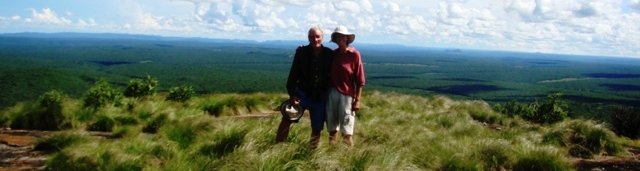
We, Lari & Mike, spent most of 1994 travelling around Zambia looking for a beautiful place suitable for conservation and tourism. Thanks to Jeremy Pope we decided that the Mutinondo/Musamfushi catchment area on the Muchinga plateau, west of the Luangwa Valley was perfect. Our first step in applying for some of this beautiful uninhabited trust land was to give a proposal to the Chief of the area, Chief Mpumba, for his consideration.
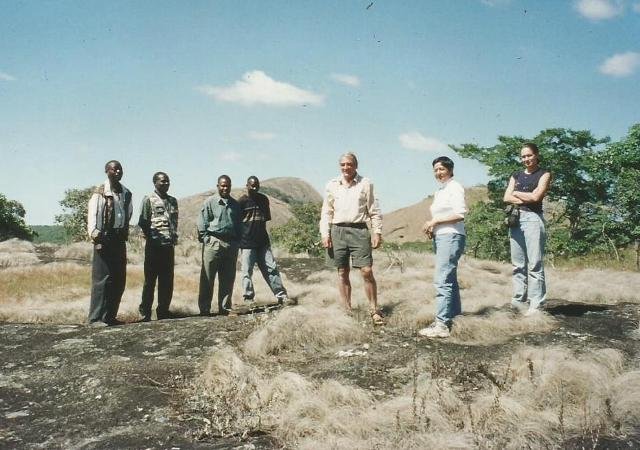
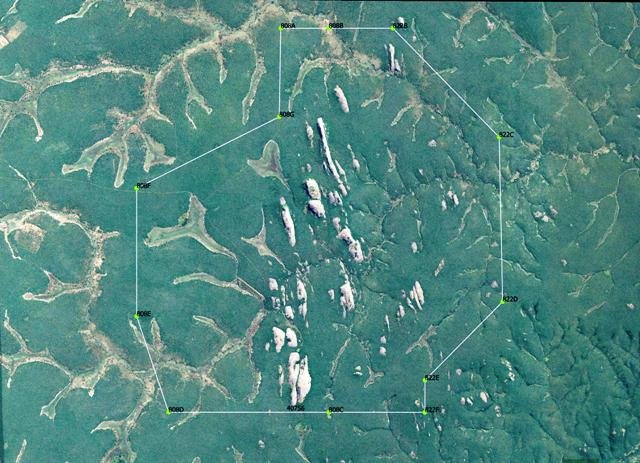
After receiving the Chief's consent, the Mpika District Council then checked our land application whilst we spent six weeks walking and camping in the area investigating possible lodge sites with a local guide Paul Saili. Due to his dedication to poaching in this area he had excellent knowledge of the area, taught us some of the Bisa tree names, and showed us evidence of the seemingly invisible wildlife. It was a magic month with only two decisions to make each day - where to walk and what to eat! The District Council assured us that the Ministry of Lands would issue our title deeds, and when our Investment Certificate was granted, encouraged us to start developing.
This we did since we weren't waiting for title to secure a loan, and believed the encouragement from the Chief and Council who insisted that building would convince the Ministry that we were serious. 18 years later we received our 99 year title deeds. We feel very lucky to be custodians of this incredibly beautiful and special place.
Please see our newsletter for more about the meanderings at Mutinondo.
Buildings
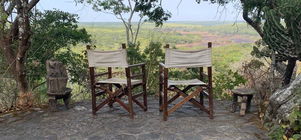
Our building has been a long learning process, the first one we built is no longer standing; the staff houses were an improvement followed by the stables, and store before we embarked on the camp buildings and lodge. We have tried to maximise the views from the lodge buildings and minimise the view of the camp from the surrounding areas. The chalets have been called after the different woods used for the furniture and fittings.
As much as possible we want to support local environmentally-friendly enterprise, to blend into the environment and carefully manage and minimize waste. The quality of craftsmen in the Mpumba area was a very big bonus for us. All the furniture, windows, roofs, almost everything wooden has been made by our carpenter Dickson Chilufya and his son Peter (apprentice), both from Salamo. Salamo builders Joseph Chisanga and Harry Kaluba built most of the buildings. We employed their two sons to work with their fathers and learn their skills. Their first building is the bigger kitchen and warmer dining room.
Access Road
At first, we accessed the area by using the road put in by Anglo American in 1954 south of us called the Mafoni Road (because the surveyor wore a hearing aid/head phones). It is on the other side of the Musamfushi River from our camp and therefore inconvenient for transporting building materials and getting into camp (usually stumbling up the hill in the dark). We looked for an alternative. The Chief agreed to our proposal for a new road from the Great North Road. After getting permission from TAZARA (Tanzanian and Zambian Railways ) to build an embankment over the railway line we constructed a 25km new road. This (a single track then) was done by hand, axe and hoe in 3 months by 30 workers and was completed on 23rd October 1996. In 2002 we employed two groups of villagers on contract to widen the road. Most of the trees felled to build the roads were used for burning bricks and firewood.
Staff
Most of our staff come from nearby villages (20 km west of our lodge).
Some of our team have been with us for 20 years
Guest Reviews
-
An extremely beautiful place, quiet and peaceful. Exceptional and commendable staff and management. Excellent and well-prepared meals. Highly recommended.
Bernt Sinner
via Facebook
-
Mutinondo is a rare gem of true wilderness in Zambia. First-rate staff and management, artfully designed chalets, and stunning scenery. Highly recommended.
David JW
via Facebook
-
Beautiful location, very comfortable rooms, good food and extremely friendly atmosphere. We loved being able to walk unguided on excellently cleared paths. The granite whalebacks are wonderful to climb and give great views. The river is beautiful as well - one day we went out for a long walk, and had a picnic on the river banks on the way home.
Dr Y and Mr C
Essex, via ExpertAfrica
-
Unmissable Mutinondo marvelsThis is a really wonderful place. It is extraordinarily beautiful country and Mike and Lari are very, very nice people; the lodge and chalets are comfortable, the atmosphere relaxed, the staff excellent.
The Bushbucks
Oxfordshire, via ExpertAfrica
Share This Page