Conservation Through Stewardship
Mutinondo Wilderness is a privately owned and carefully managed conservation area, dedicated to protecting one of Zambia's most ecologically rich landscapes. Recognised as a Key Biodiversity Area and an Important Bird Area, it sits firmly within a wider network of protected wilderness regions that includes the nearby Mutinondo Falls National Monument and national heritage designations that reflect the global significance of its environment.
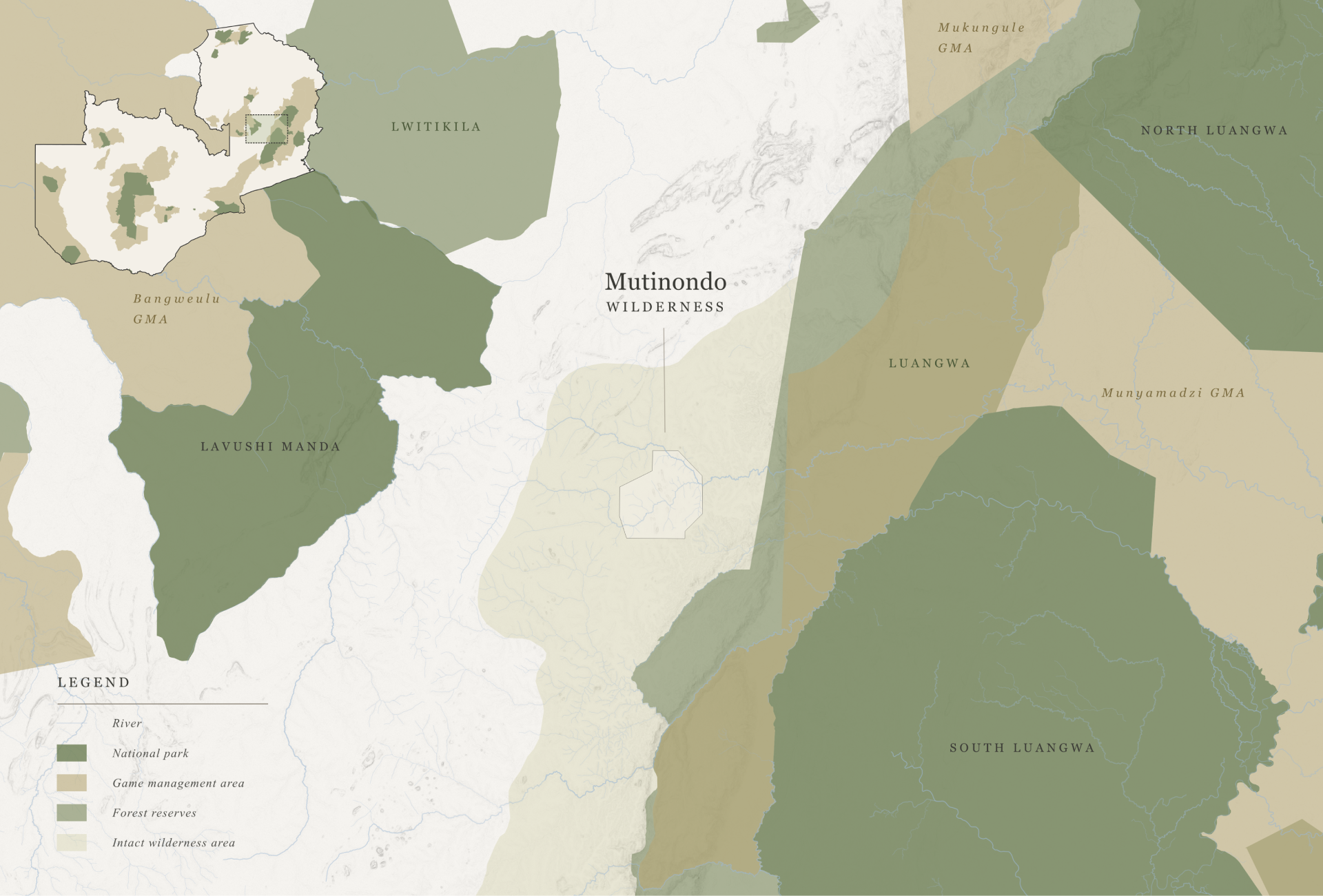
Situated at its boundaries, Mutinondo plays a critical role in maintaining ecological connectivity between the Luangwa Valley and the protected areas to the west, including Lavushi Manda National Park and the Bangweulu Wetlands. This corridor is essential for the movement of wildlife and the long-term resilience of the region's ecosystems.
Every guest who stays here contributes directly to this work. Your visit helps fund the people, patrols, and habitat management that protect this place, and we warmly invite you to experience it as home.

Protecting the Wilderness
A dedicated anti-poaching team patrols the property, continuously working with neighbouring partners and government authorities to safeguard the areas wildlife and natural resources. Wildlife crime on Mutinondo is now at its lowest level in living memory.

Managing the Ecosystem
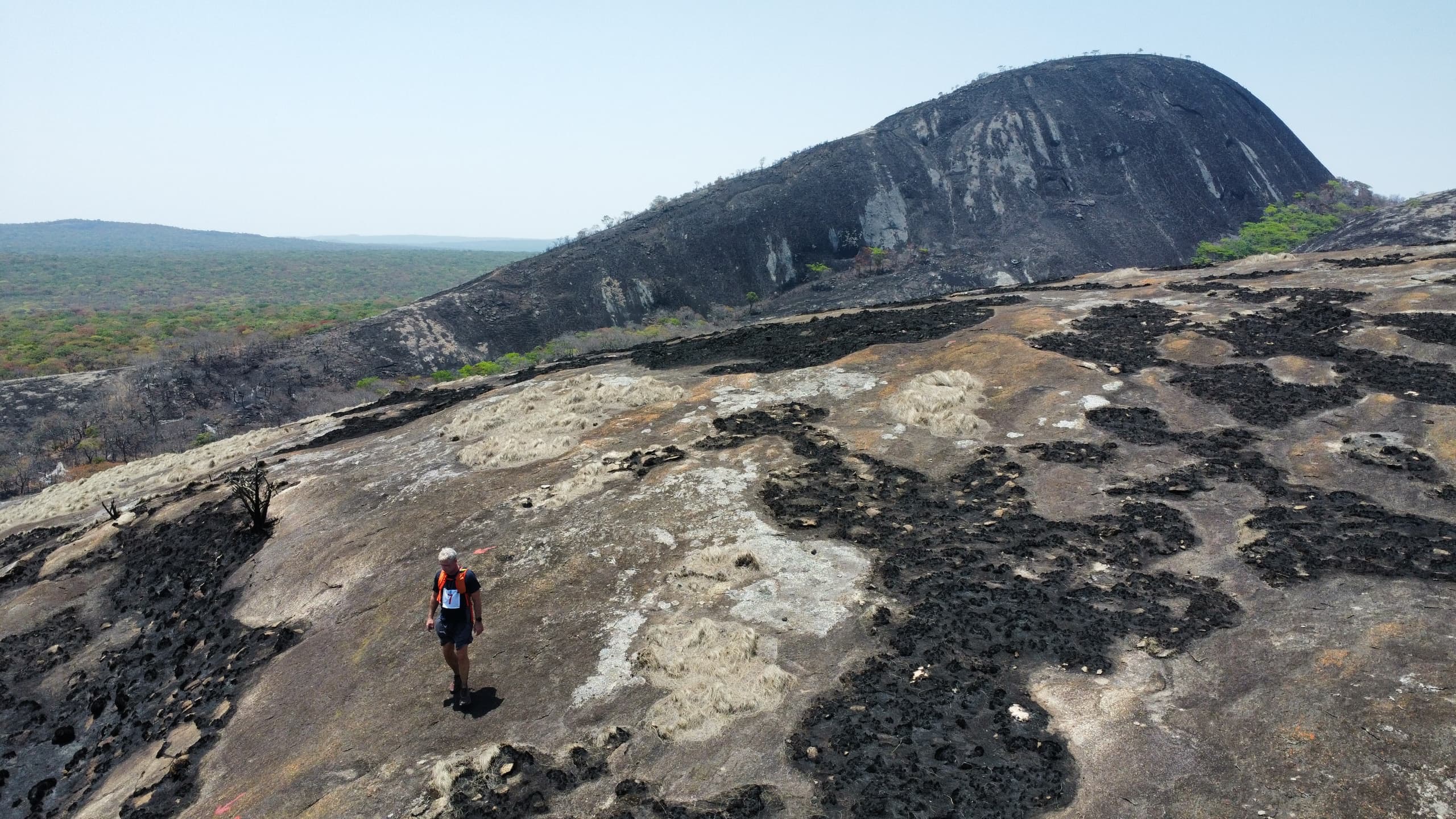
A carefully curated ecological management plan keeps Mutinondo in pristine condition. Well timed burning across the property keeps it healthy and resilient - a long-standing rhythm of fire that maintains biodiversity and reduces the risk of uncontrolled wildfire.

Monitoring Wildlife
Continuous effort goes into gathering data year-round, to build an accurate picture of how wildlife is responding to increased protection. There has been a resurgence in the once ultra elusive or altogether absent species on Mutinondo, such as Leopard, African wild dog, Sable and Sitatunga, to name a few. The goal being to see Mutinondo again a stronghold for species that once resided here.

Working in the Landscape
Mutinondo is the cornerstone in a wider conservation area and wildlife corridor. We work alongside neighbouring communities, conservation partners, and government authorities, to safeguard this critical wilderness area.
Mutinondo's extraordinary natural history has attracted researchers from around the world, resulting in new species to science, 374 species of bird, and a deeper understanding of Central African biodiversity.
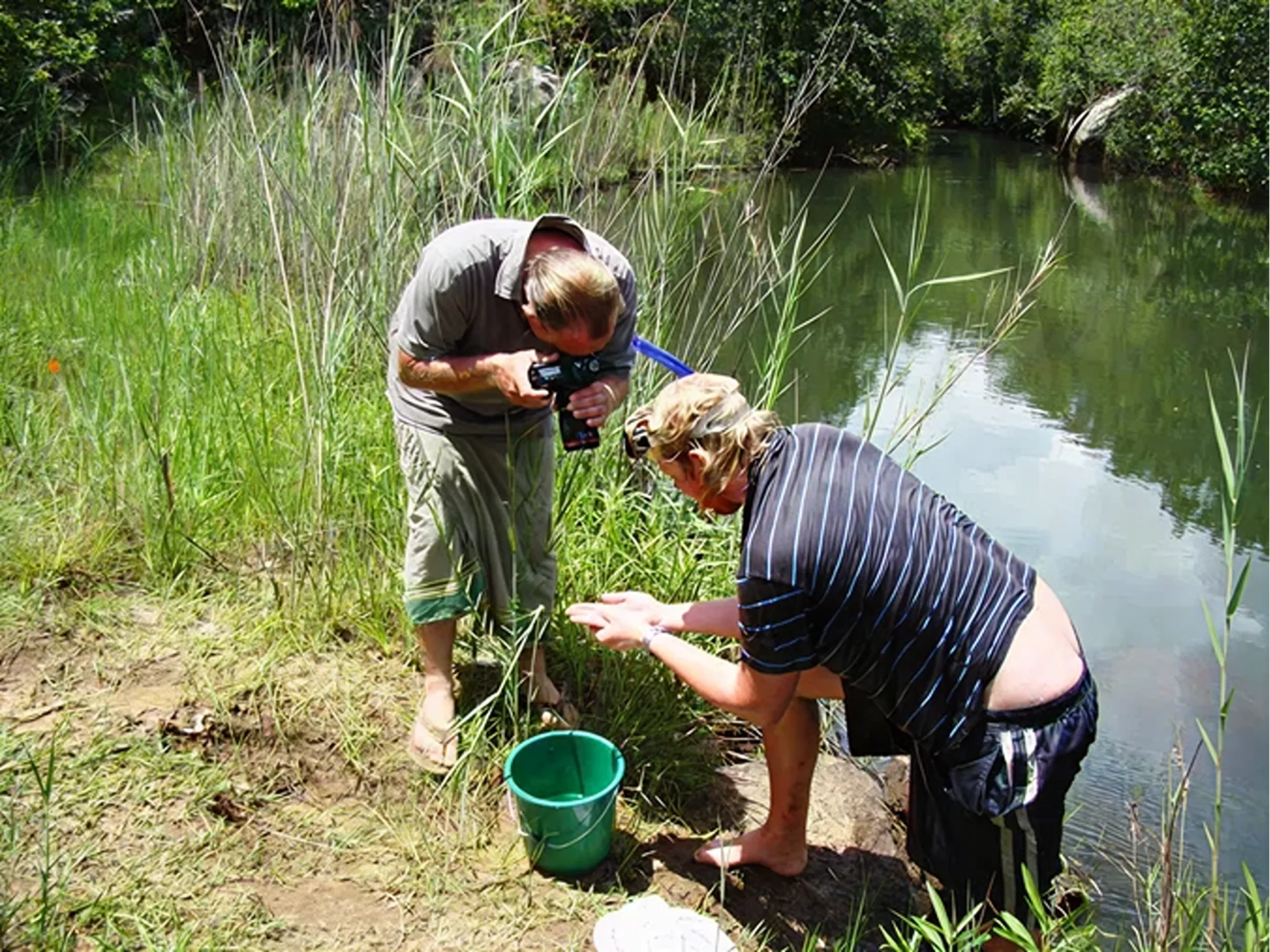
Research at Mutinondo
Mutinondo's extraordinary natural history has attracted researchers from around the world, resulting in new species to science, a deeper understanding of Central African biodiversity.
Read more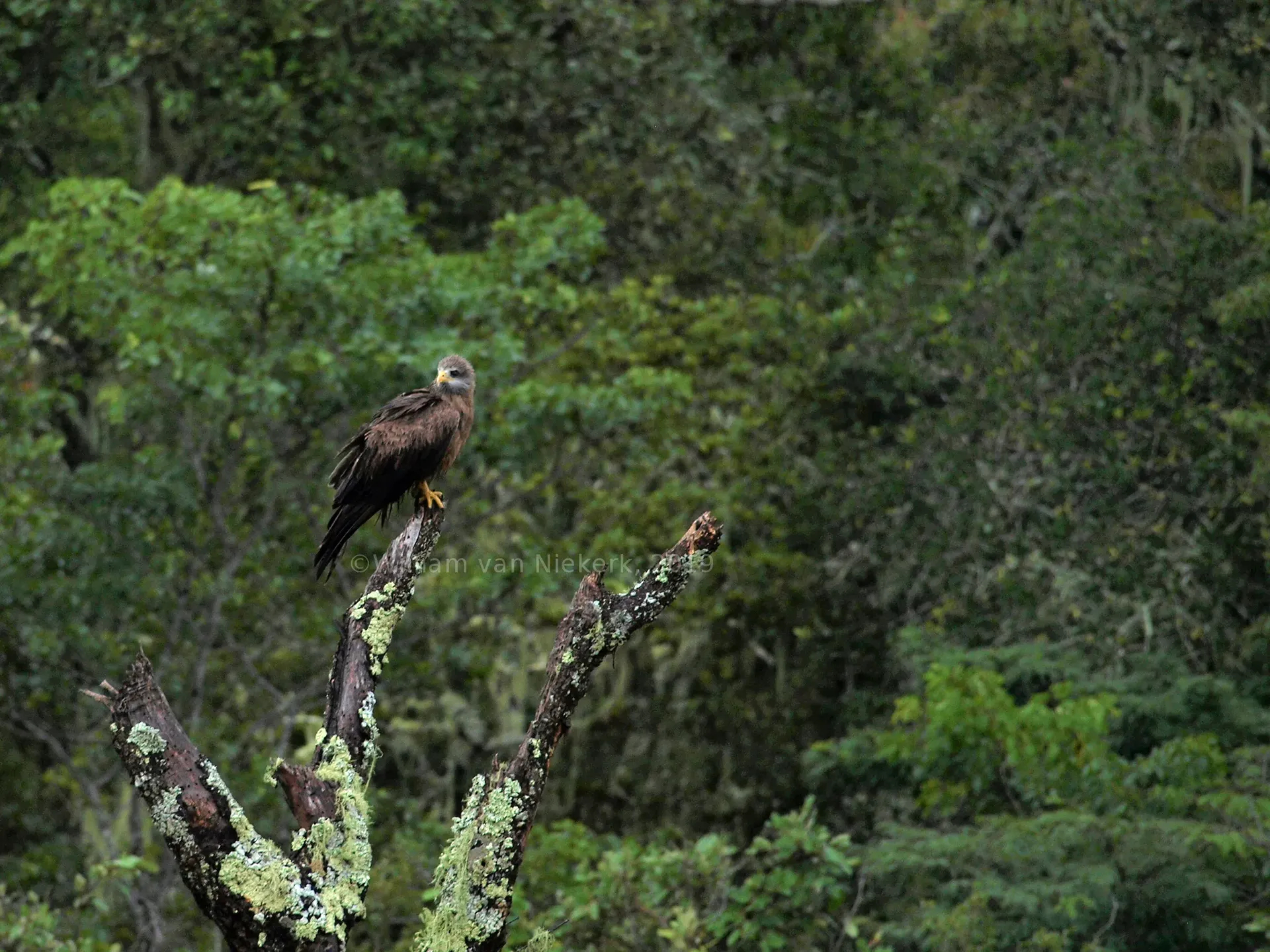
Birds of Mutinondo
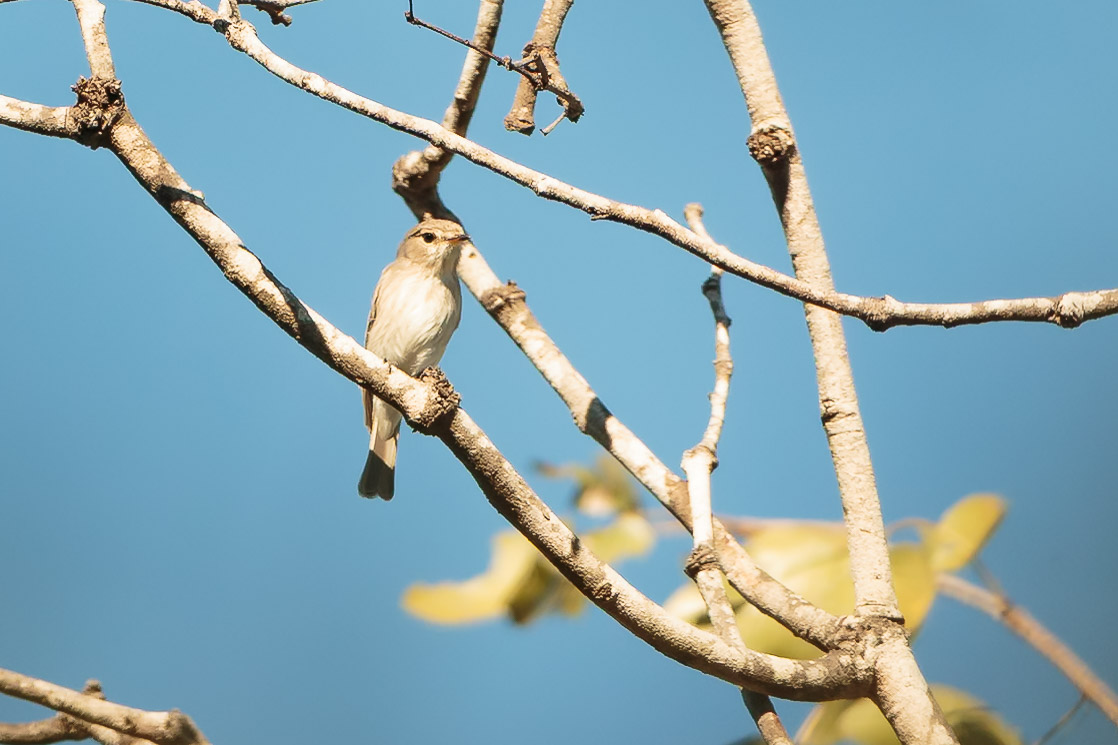
An Important Bird Area with 362 recorded species. Globally renowned for the Chestnut-headed Flufftail and Bar-winged Weaver. Includes a downloadable bird list and birding map.
Read more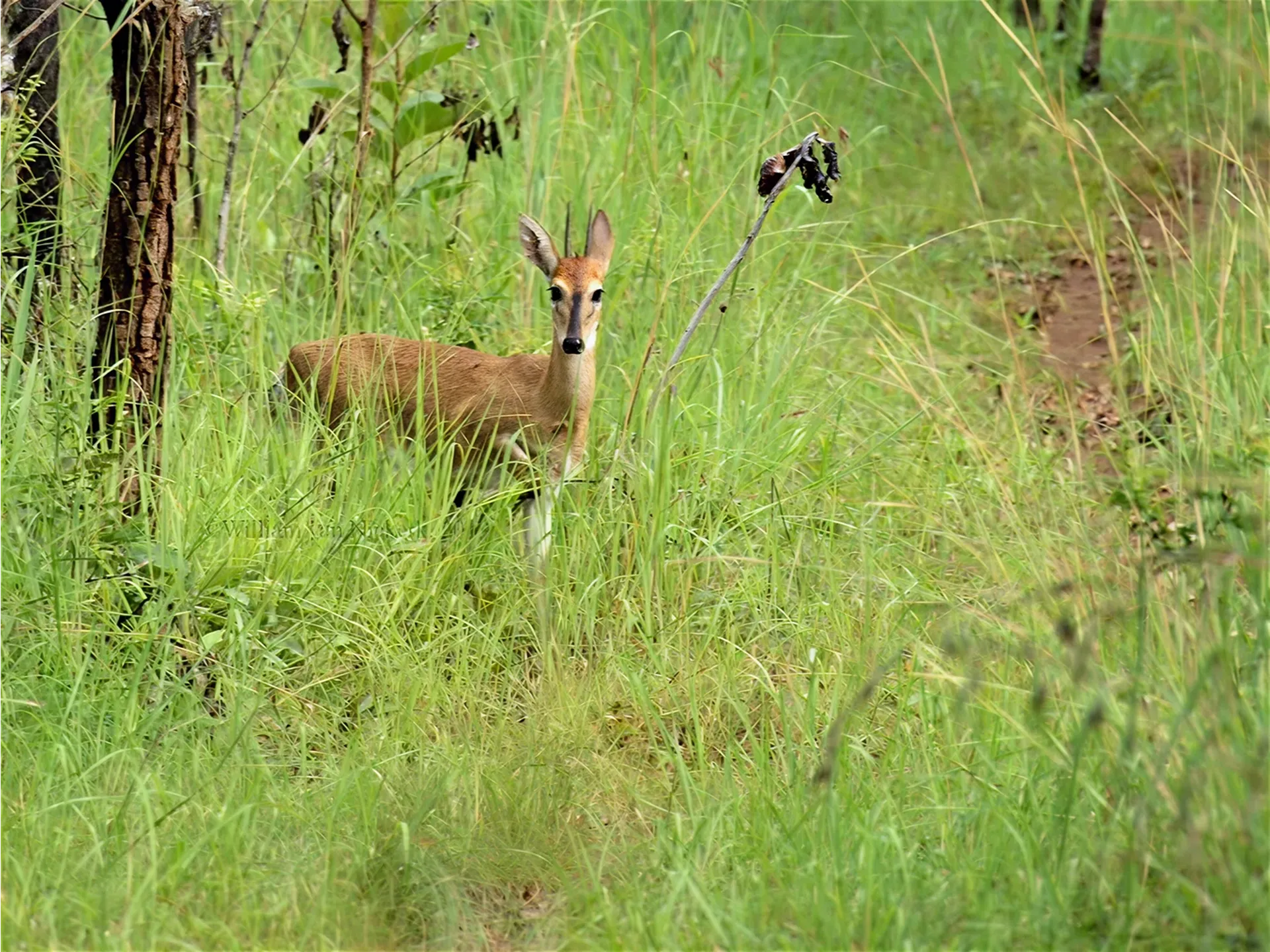
Mammals of Mutinondo
Free-range, unfenced, and truly wild. Rich vegetation and land provides very large mammals, and tall trees highlight what's guaranteed here, an encounter that may truly stop you in your tracks.
Read more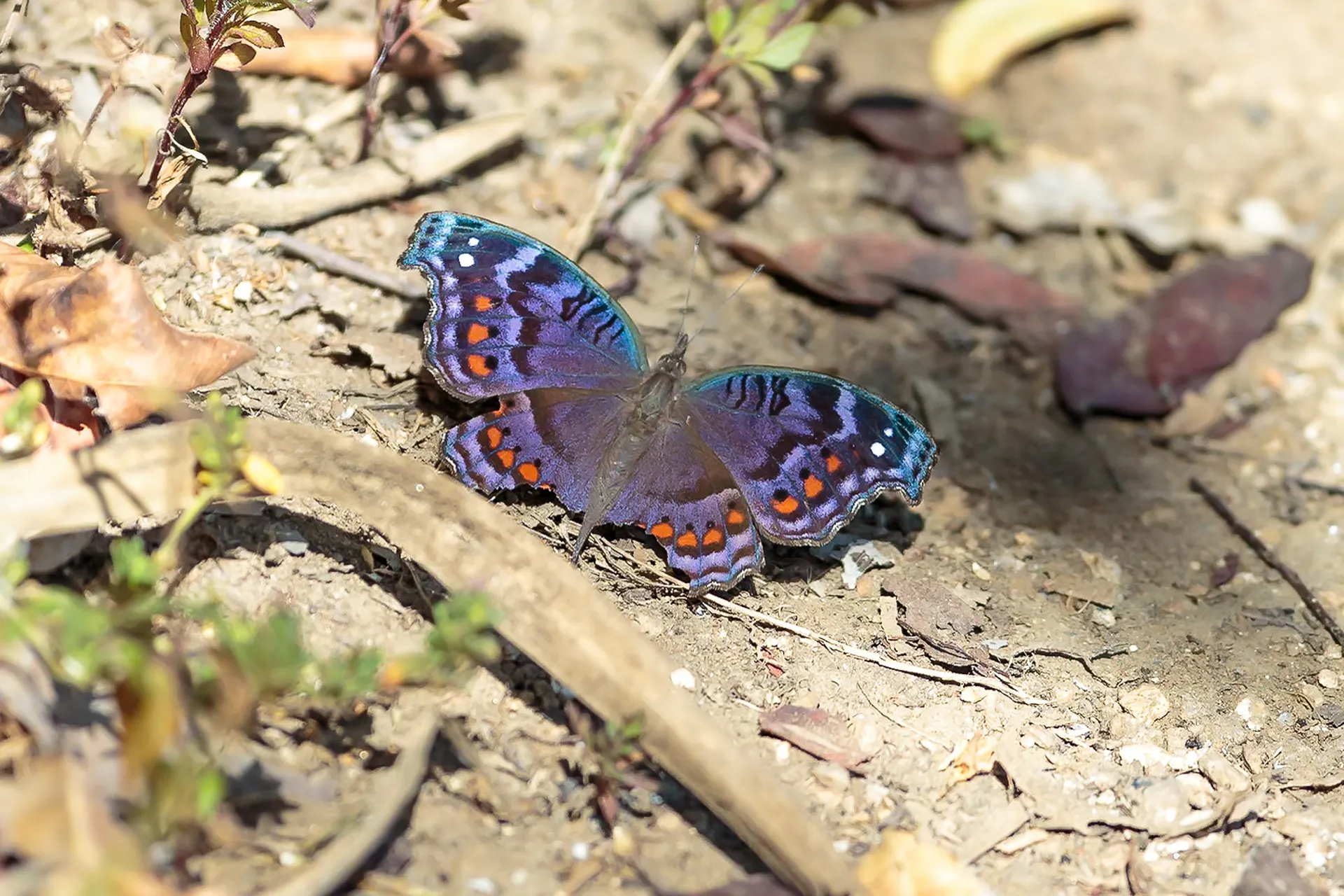
Butterflies & Lepidoptera
234 butterfly species including one Charaxes never recorded anywhere else on earth. A lepidopterist's dream destination in the heart of miombo woodland.
Read more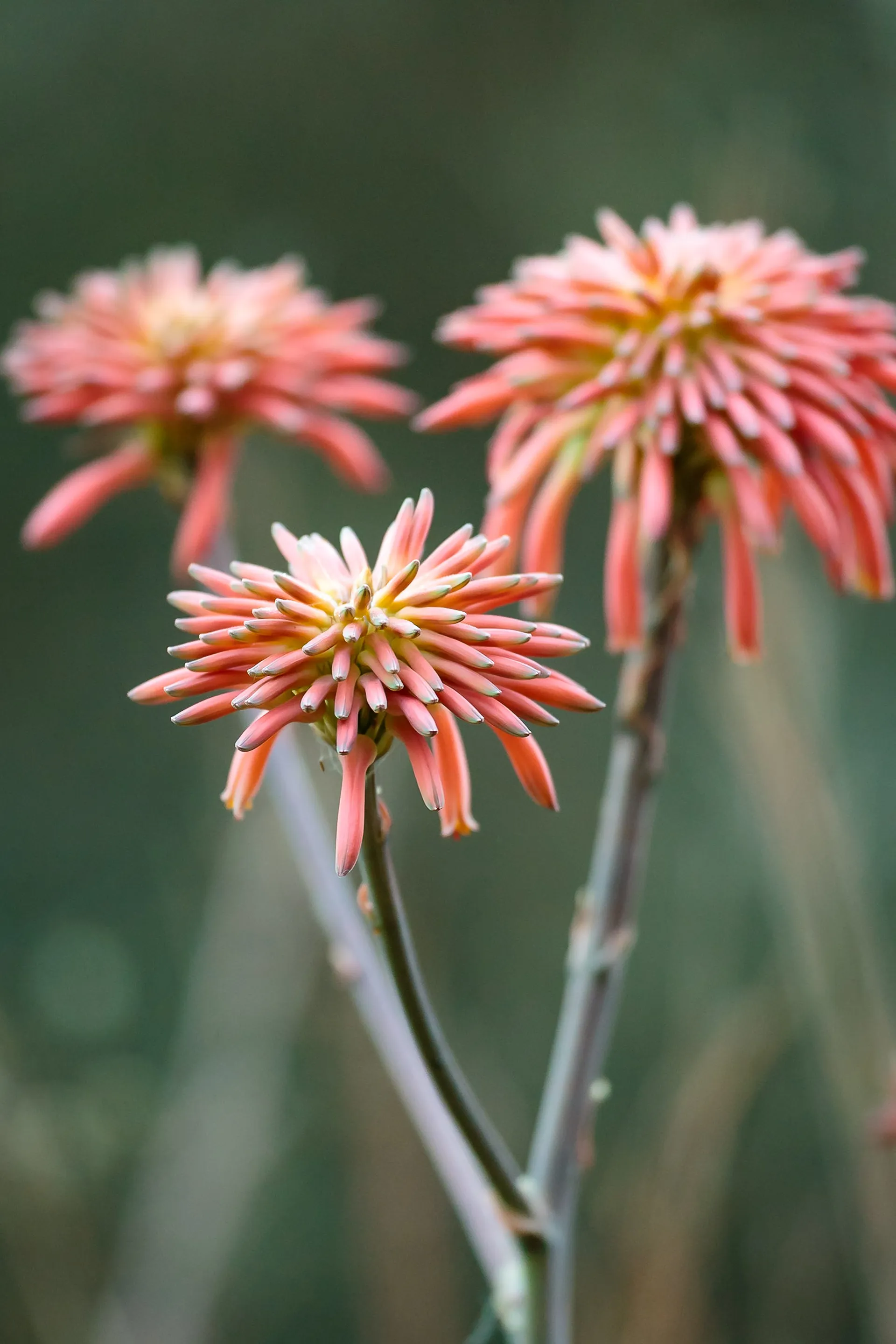
Botany & Wild Flowers
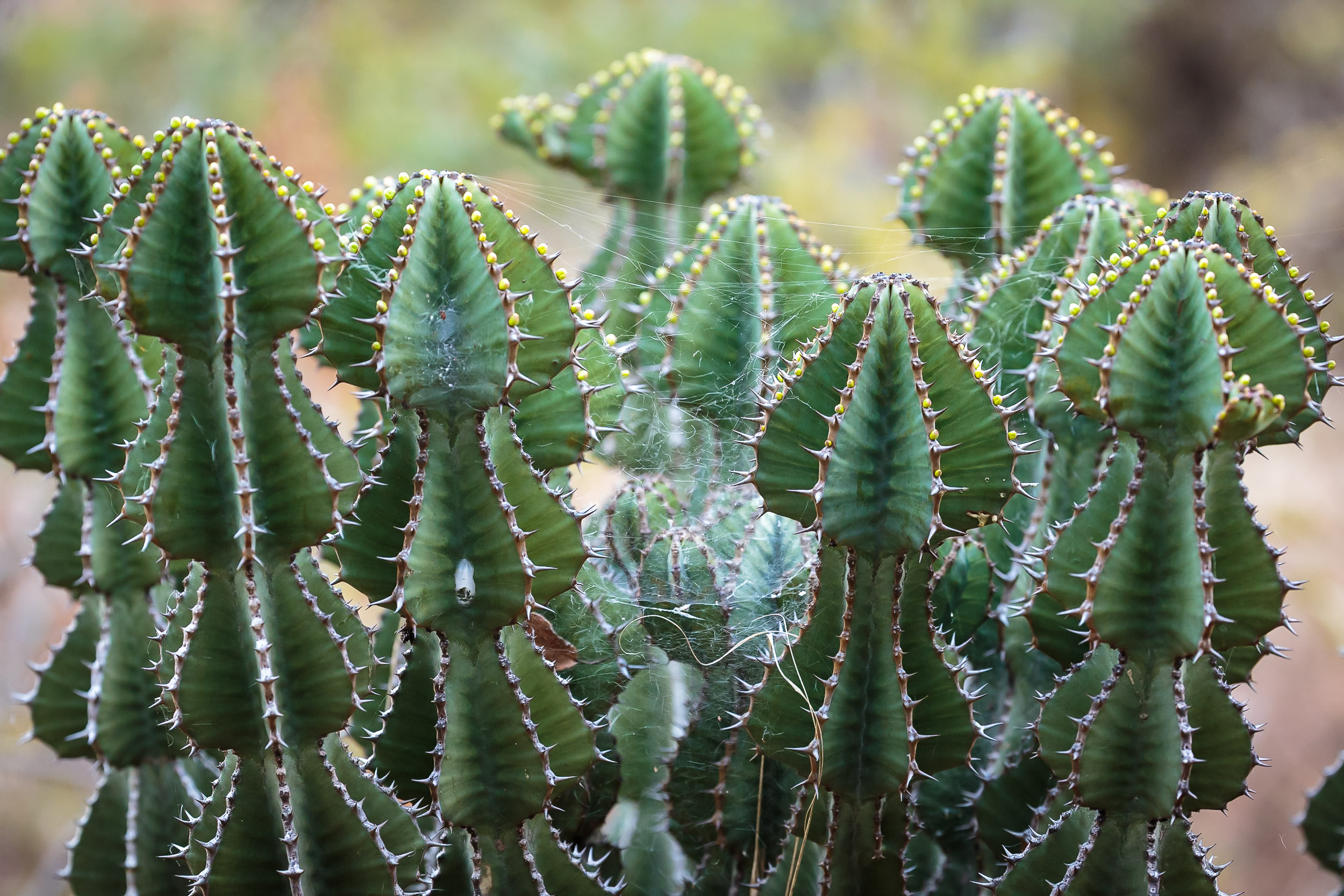
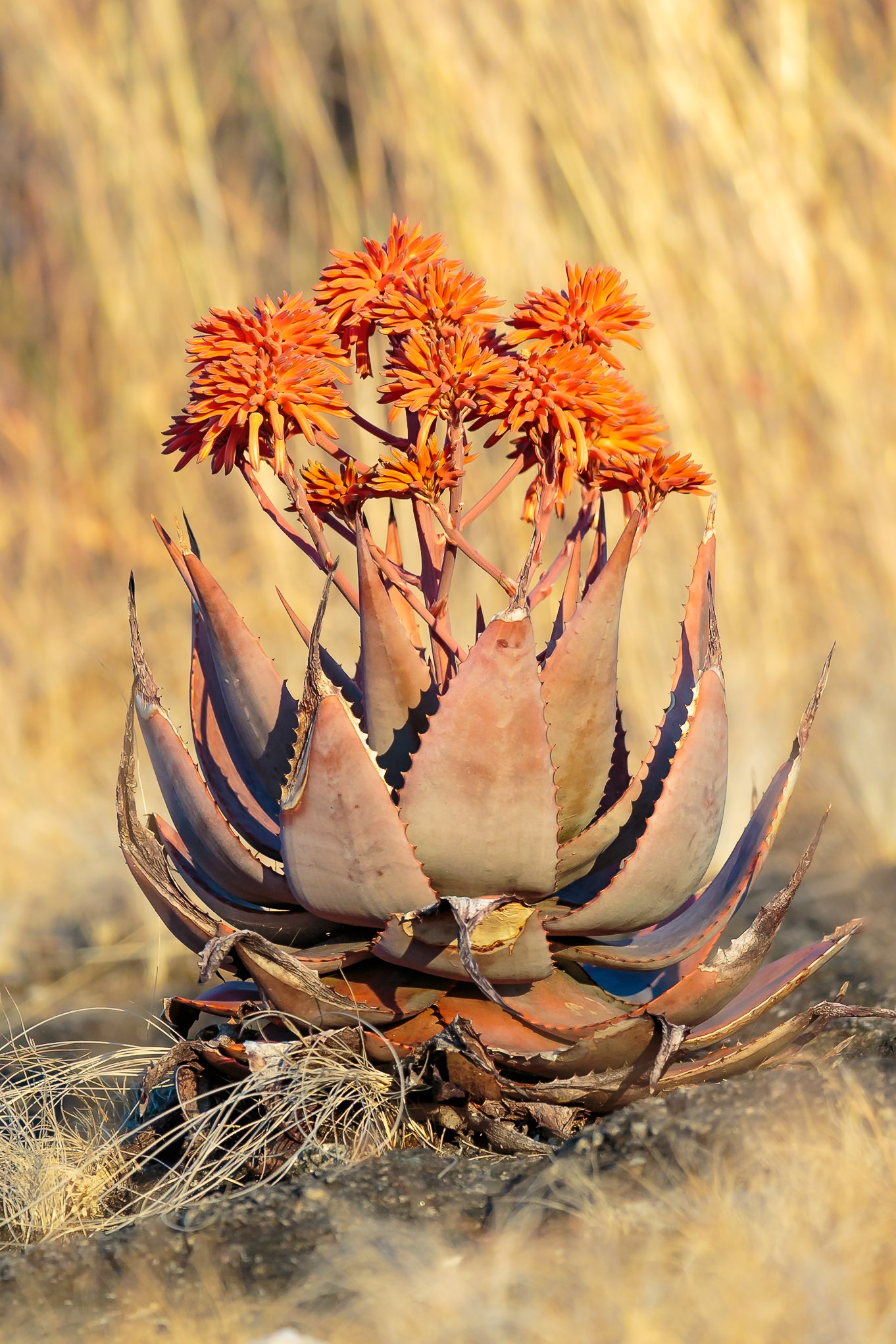
Over 1,600 plant and tree species confirmed, including wild orchids, resurrection plants and new species to science. Pristine miombo largely undisturbed for nearly a century.
Read more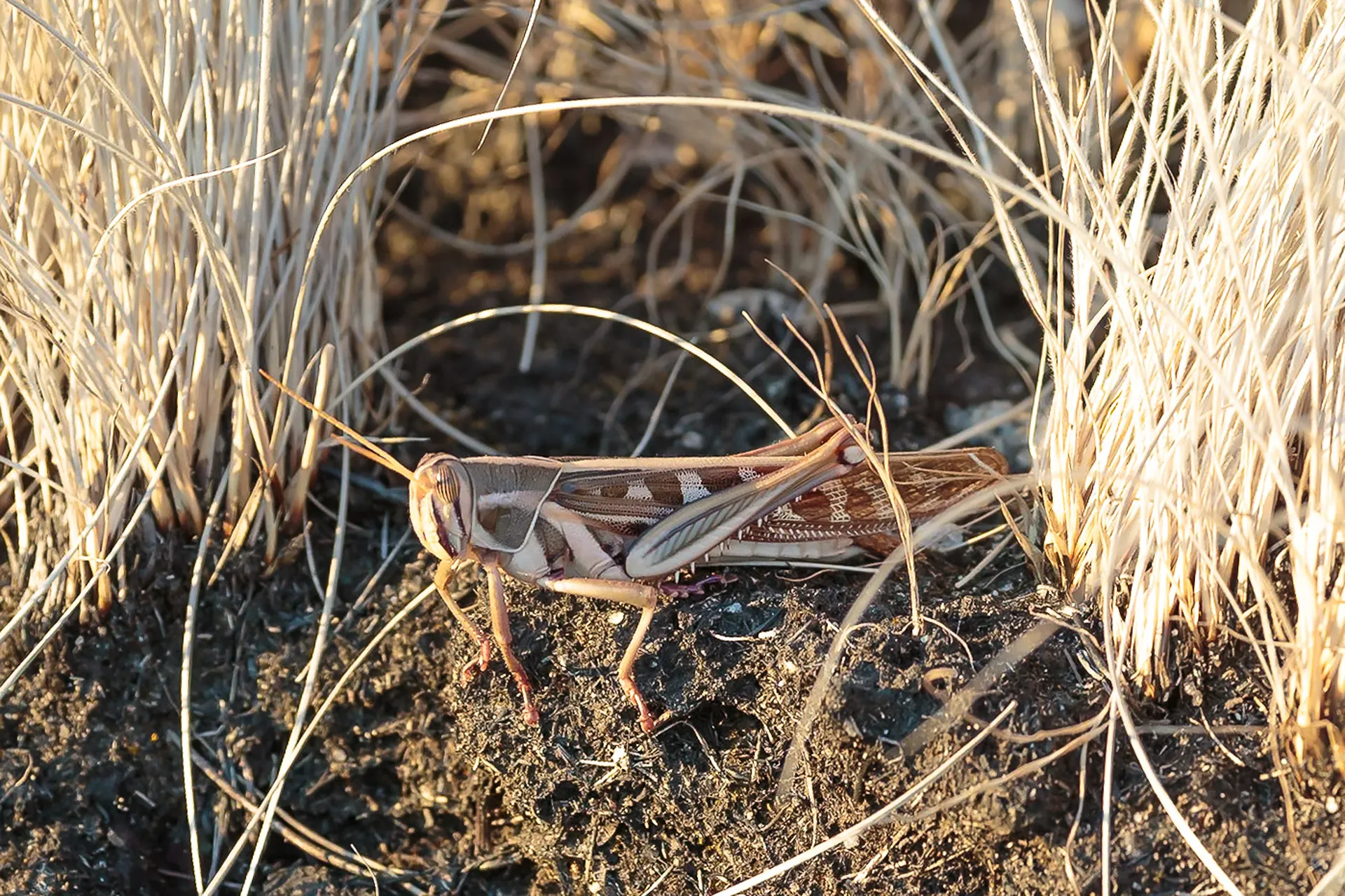
Smaller Wildlife
Over 700 insect species in a single preliminary survey. Monitor lizards, endemic frogs, ornate beetles, dragonflies, giant millipedes, slowing down reveals a teeming world.
Read more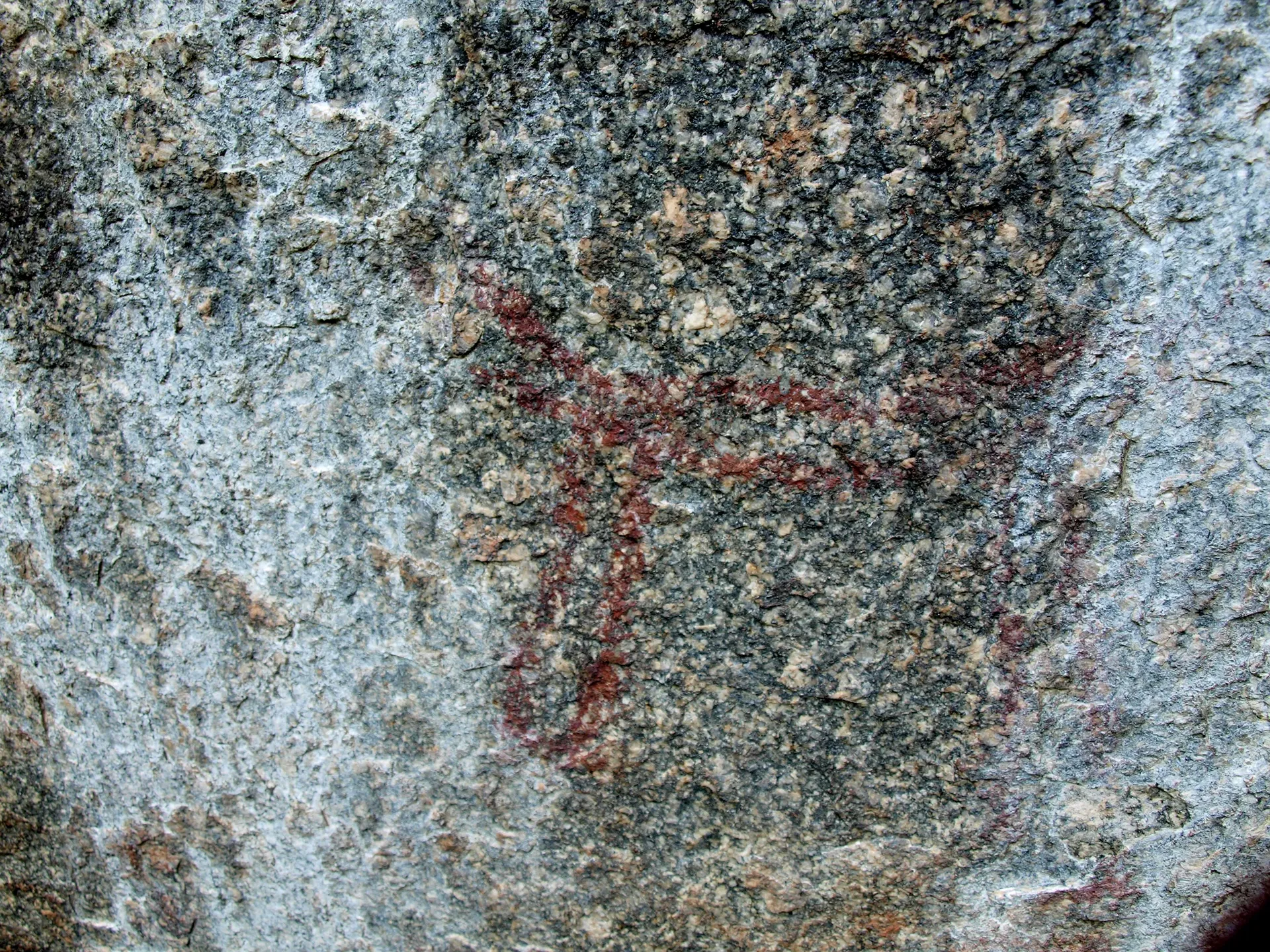
History & Archaeology
Ancient Mutinondo rock paintings. Stone Age artefacts, storage kilns, and the rich history of the Bwana Bay peoples, Mutinondo landscape holds centuries of human story.
Read more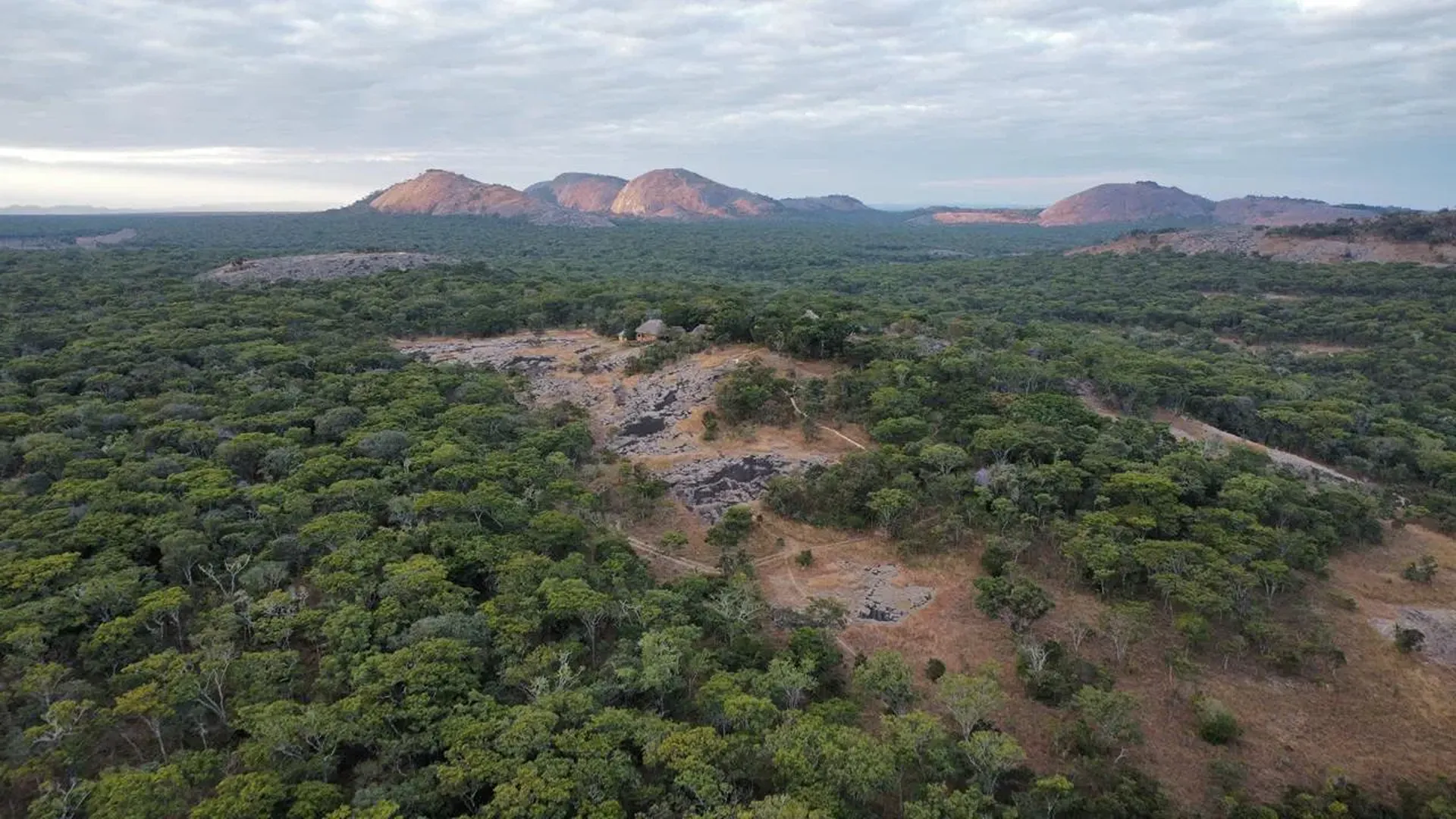
Inselbergs & Geology
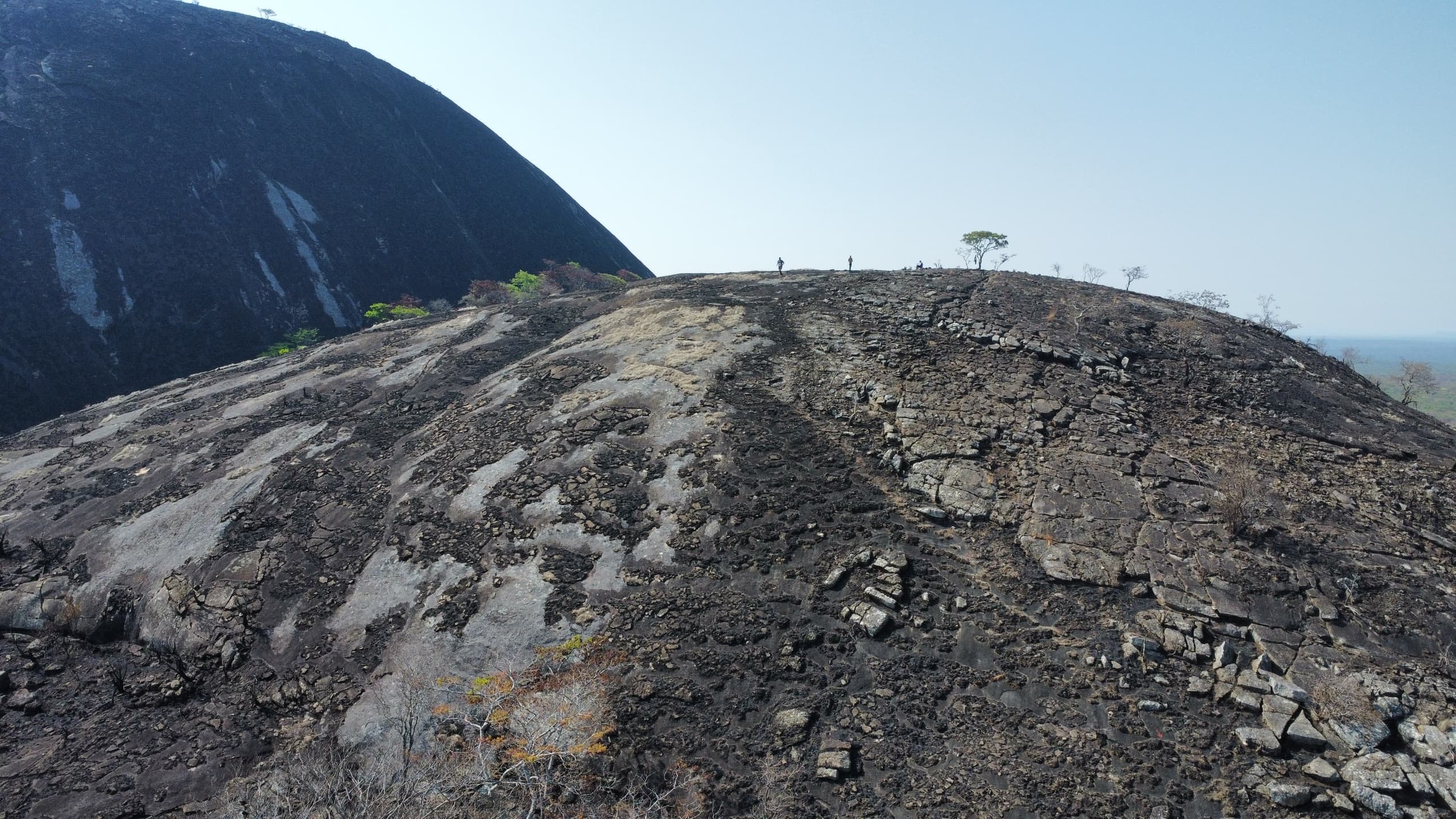
Billion-year-old granite inselbergs rising across the plateau, host to many plant and animal communities, over 2,000m above sea level with far-reaching horizon views.
Read moreCitizen Science in Action
Become part of our conservation story. We use iNaturalist to document the incredible biodiversity found within the Mutinondo Wilderness. Explore our latest sightings of rare orchids, butterflies, and mammals, or upload your own discoveries during your stay to help our ongoing research.
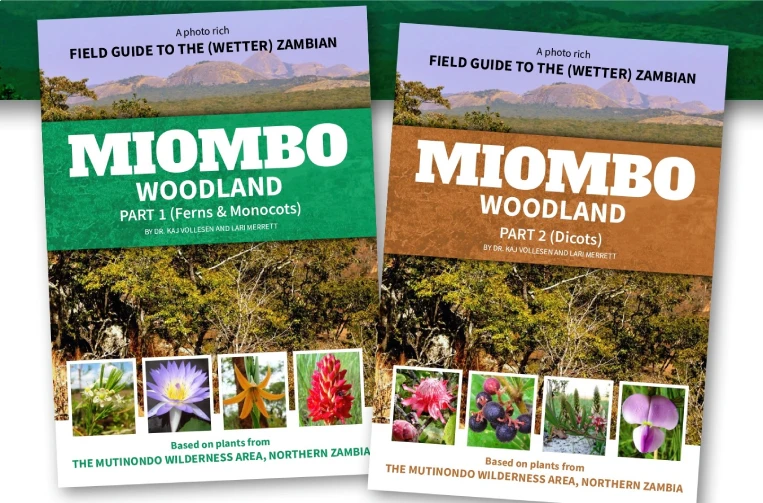
Photo-Rich Miombo Woodland Field Guides
Describing 1,634 plant species from the Mutinondo area, including over 20 new species to science. Available from Mutinondo Wilderness, Bookworld Zambia, Mike Parks Books UK, NHBS UK, and Silverhill Seeds and Books RSA.
learn moreEach landmark at Mutinondo carries a name, some from local Bisa tradition, some bestowed by Mike and Lari in memory of friends, family or the first ascents they made together. Every name tells a story about this place and the people who love it.