Botany, Miombo Woodland and Wild Flowers
Over 1600 plant and tree species have been confirmed from the pristine Miombo woodland that surrounds Mutinondo.
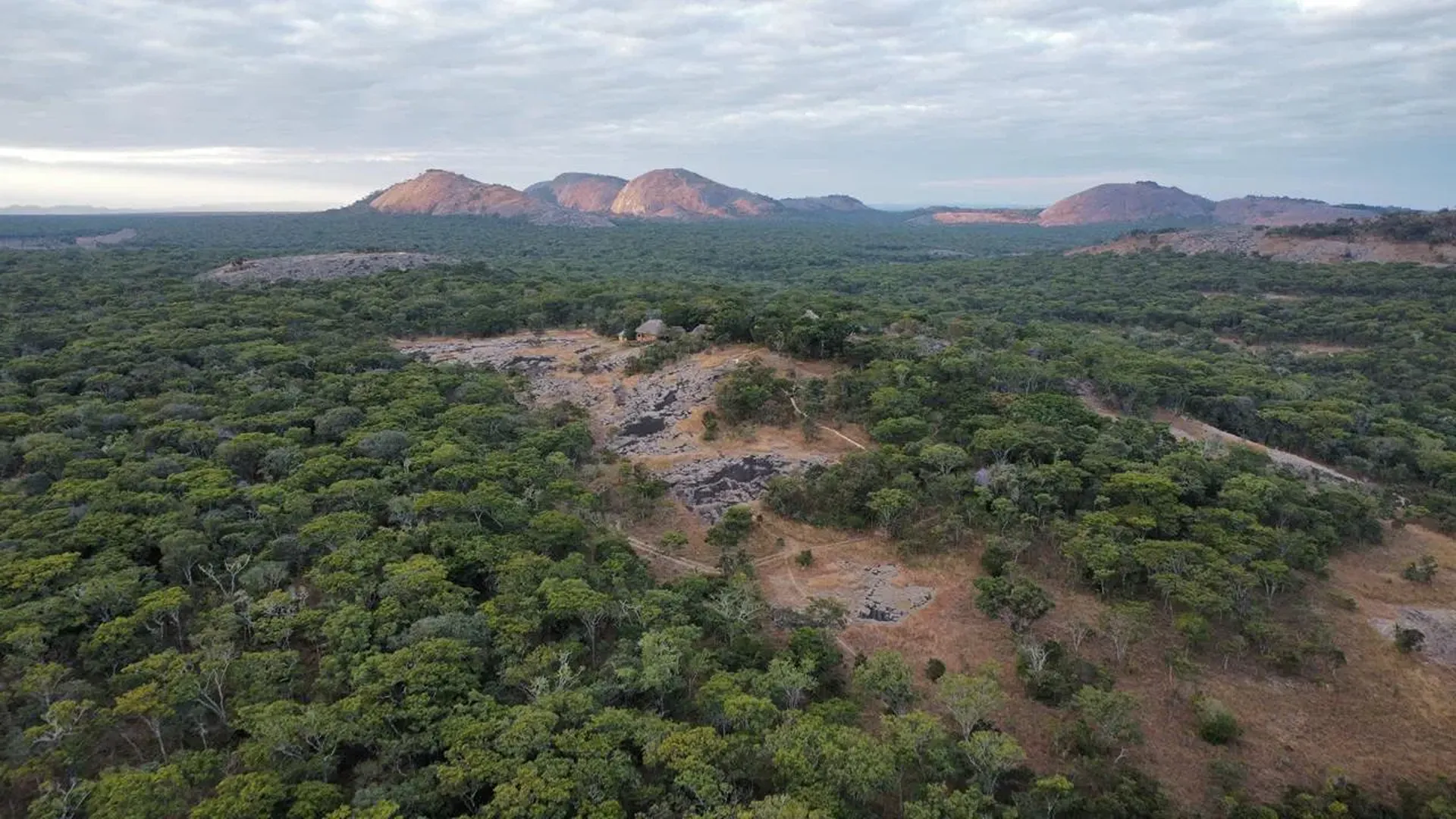
The pristine Miombo woodland surrounding granite inselbergs, wetlands, rivers and waterfalls has been largely undisturbed for almost a century, and it hosts a rich and diverse vegetation that everyone can enjoy. The wonderful array of wild flowers is a colourful reminder of the extravagance of nature and, thanks to the work of Mike Bingham, Paul Smith and the great team at Royal Botanical Gardens, over 1600 different plant and tree species have been confirmed or determined from the area.
The following 2 new species to science are among those discovered at Mutinondo: Crepidorhopalon mutinondoensis Fischer, Darbyshire and Bingham; and Habenaria binghamhii G. Will. The discovery of a single specimen of the cycad Encephalartos schmitzii represents a considerable extension of the known range in Zambia.
The Inselbergs
The following excerpt is taken from the book, "Field Guide to the Trees and Shrubs of the Miombo Woodland" written by Paul Smith, a plant ecologist specializing in African botany, and reproduced with permission from Plant Talk: "Mutinondo is a rare treat for botanists. Perhaps the most striking feature is the inselbergs. These granite leviathans dwarf the woodland and dambo below, and by night or day their great amorphous forms conjure up weird and wonderful creatures in the mind's eye. Here is a unique microclimate. There is no ground water to tap and the plants must either find a way through to the soil below, or survive on dewfall from May till November. One such survivor is the resurrection plant (Myrothamnus flabellifolius), whose leaves fold away like the wings of a locust."
"The miombo woodland in this remote part of Zambia is remarkable in that it is largely free from human disturbance. Brachestegia spiciformis, B. utilis, B. floribunda and Julbernadia paniculata are the dominant canopy species, and because the granite-derived soils are deep and freely drained, the trees are tall and clean-boled."
"The uniqueness of MWA (Mutinondo Wilderness Area) stems partly from the habitat it protects, but also from its history of isolation, despite deep granite soils, the area has been uninhabited for generations. The result is a pristine miombo wilderness unrivalled in this part of Africa."
Paul Smith's field guide is available on Amazon.