
Birding
Birdwatching in the Mutinondo Wilderness is highly rewarding for the enthusiast and amateur alike. Our combination of inselbergs, dambos and expansive miombo attracts a large variety of birds - including hard to find species such as Sarothrura lugens (Chestnut-headed Flufftail) and Ploceus angolensis (Bar-Winged Weaver), and we have been designated a Site of Special Interest for birds.
The Mutinondo Wilderness area hosts a great number of species that are difficult to find outside of Zambia, and is one of the easiest and most accessible sites in the country for seeing such species. Mutinondo Wilderness is listed as an Important Bird Area, with 362 species on the list as of 2017, and renowned as the best site in the world for several specials including the Chestnut-headed Flufftail (Sarothrura lugens) and the Bar-winged Weaver (Ploceus angolensis).
Mutinondo Wilderness Bird List: A site of special interest for birders
Downloadable Bird-list (.pdf)
1. Little Grebe, Tachybaptus ruficollis
2. Little Bittern, Ixobrynchus minutus
3. Dwarf Bittern, Ixobrychus sturmii
4. White-backed Night Heron, Gorsachius leuconotus
5. Rufous-bellied Heron, Ardeola rufiventris
6. Cattle Egret, Bubulcus ibis
7. Green-backed Heron, Butorides striata
8. Great White Egret, Ardea alba
9. Hamerkop, Scopus umbretta
10. Openbill Stork, Anastomus lamelligerus
11. Black Stork, Ciconia nigria
12. Abdim's Stork, Ciconia abdimii
13. Woolly-necked Stork, Ciconia episcopus
14. White Stork, Ciconia ciconia
15. Marabou Stork, Leptoptilos crumeniferus
16. Hadeda Ibis, Bostrychia hagedash
17. White-faced Whistling Duck, Dendrocygna viduata
18. Spur-winged Goose, Plectopterus gambensis
19. Comb/Knob-billed Duck, Sarkidiornis melanotus
20. African Black Duck, Anas sparsa
21. Yellow-billed Duck, Anas undulata
22. Southern Pochard, Netta erythrophthalma
23. African Cuckoo Hawk, Aviceda cuculoides
24. Honey Buzzard, Pernis apivorus
25. Bat Hawk, Machaeiramphus alcinus
26. Black-shouldered Kite, Elanus caeruleus
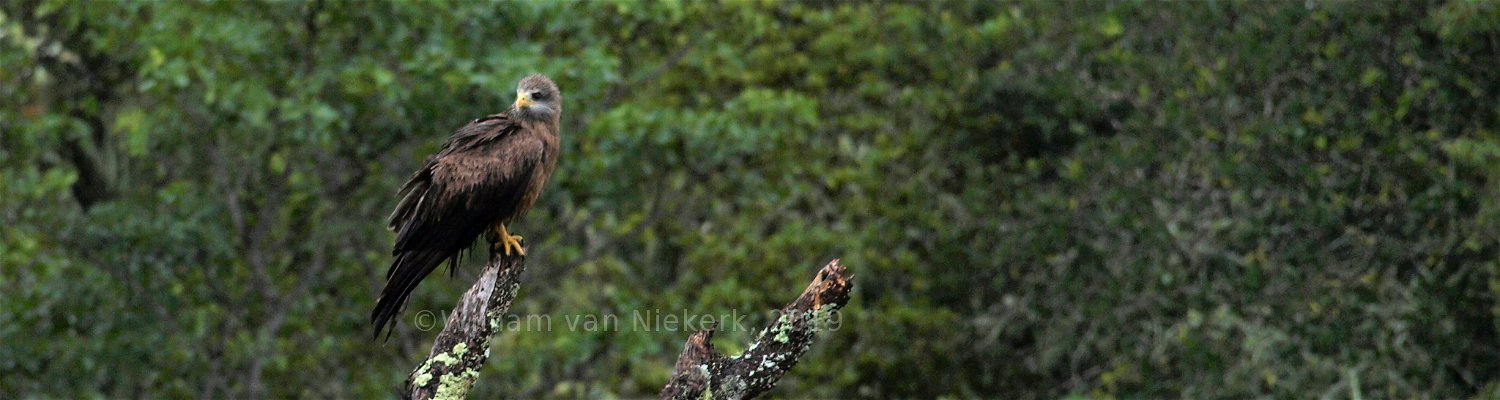
27. Black (Yellowbilled) Kite, Milvus migrans aegyptius
28. African Fish-Eagle, Haliaeetus vocifer
29. Palm-nut Vulture, Gypohierax angolensis
30. Hooded Vulture, Necrosyrtes monachus
31. African White-backed Vulture, Gyps africanus
32. Lappet-faced Vulture, Aegypius tracheliotus
33. White-headed Vulture, Aegypius occipitalis
34. Black-chested Snake-Eagle, Circaetus pectoralis
35. Brown Snake-Eagle, Circaetus cinereus
36. Western Banded Snake-Eagle, Circaetus cinerascens
37. Bateleur, Terathopius caudatus
38. African Harrier-Hawk (Gymnogene), Polyporoides typus
39. Western (European) Marsh-Harrier, Circus aeruginosus
40. African Marsh Harrier, Circus ranivorus
41. Pallid Harrier, Circus macrourus
42. Montagu's Harrier, Circus pygargus
43. Dark Chanting Goshawk, Melierax metabates
44. Gabar Goshawk, Melierax gabar
45. Black Sparrowhawk/Black Goshawk, Accipiter melanoleucus
46. Ovambo Sparrowhawk, Accipiter ovampensis
47. Little Sparrowhawk, Accipiter minullus
48. African Goshawk, Accipiter tachiro
49. Shikra, Accipiter badius
50. Lizard Buzzard, Kaupifalco monogrammicus
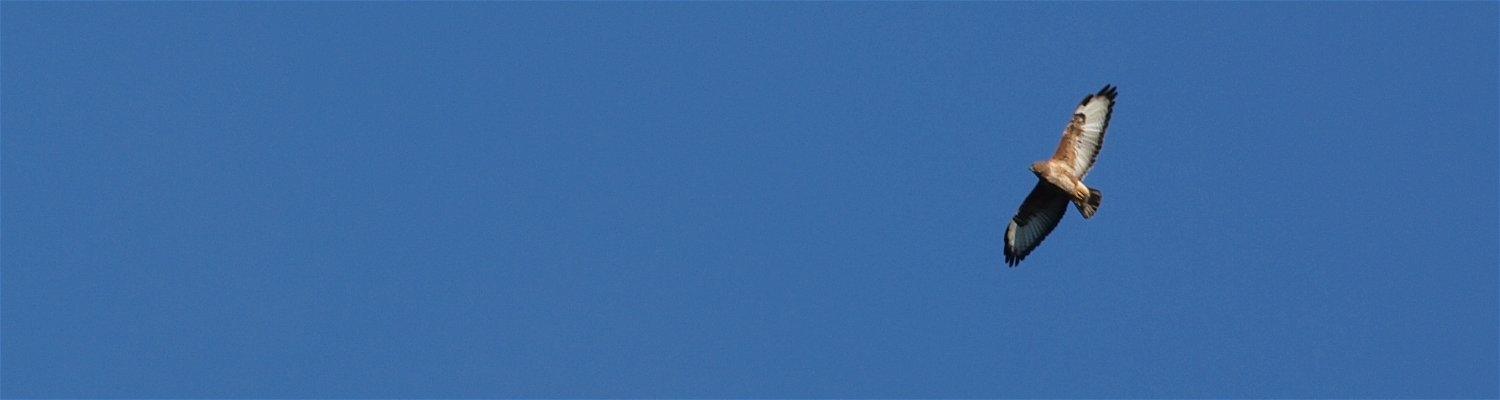
51. Common/Steppe Buzzard, Buteo buteo vulpinus
52. Augur Buzzard, Buteo augur
53. Wahlberg's Eagle, Aquila wahlbergi
54. Lesser Spotted Eagle, Aquila pomarina
55. Steppe Eagle, Aquila nipalensis
56. Verreaux’s (Black) Eagle, Aquila verreauxi
57. African Hawk-Eagle, Aquila spilogaster
58. Booted Eagle, Aquila pennatus
59. Long-crested Eagle, Lophaetus occipitalis
60. African Crowned Eagle, Stephanoaetus coronatus
61. Martial Eagle, Polemaetus bellicosus
62. Lesser Kestrel, Falco naumanni
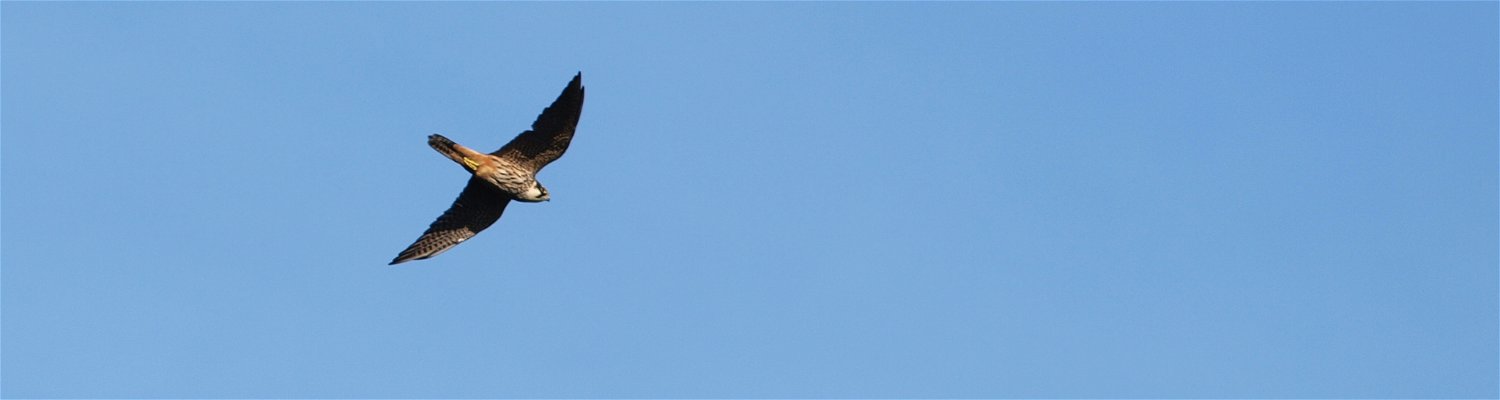
63. Amur Falcon/Eastern Red-Footed Falcon, Falco amurensis
64. Dickinson's Kestrel, Falco dickinsoni
65. Eurasian (European) Hobby, Falco subbuteo
66. African Hobby, Falco cuvierii
67. Lanner Falcon, Falco biarmicus
68. Peregrine Falcon, Falco peregrinus
69. Coqui Francolin, Peliperdix coqui
70. Shelley's Francolin, Scleroptila shelleyi
71. Hildebrandt's Francolin, Pternistis hildebrandti
72. Red-necked Spurfowl (Francolin), Pternistis afer
73. Blue Quail, Coturnix adansonii
74. Helmeted Guineafowl, Numida meleagris
75. Kurrichane Buttonquail, Turnix sylvaticus
76. Black-rumped Buttonquail, Turnix nanus
77. Red-chested Flufftail, Sarothrura rufa
78. Long-toed/Chestnut headed Flufftail, Sarothrura lugens
79. Corn Crake, Crex crex
80. African Crake, Crecopsis egregia
81. Lesser Moorhen, Gallinula angulata
82. African Finfoot, Podica senegalensis
83. Black-bellied Bustard, Lissotis melanogaster
84. African Jacana, Actophilornis africana
85. Lesser Jacana, Microparra capensis
86. Painted Snipe, Rostratula benghalensis
87. Water Thick-knee/Dikkop, Burhinus vermiculatus
88. Bronze-winged Courser, Rhinoptilus chalcopterus
89. Temminck's Courser, Cursorius rufus
90. Senegal/African Wattled Plover, Vanellus senegallus
91. Greenshank, Tringa nebularia
92. Green Sandpiper, Tringa ochropus
93. Wood Sandpiper, Tringa glareola
94. Common Sandpiper, Actitis hypoleucos
95. Double-banded Sandgrouse, Pterocles bicinctus
96. Laughing Dove, Stigmatopelia senegalensis
97. Cape Turtle Dove, Streptopelia capicola
98. Red-eyed Dove, Streptopelia semitorquata
99. Emerald-spotted Wood-Dove, Turtur chalcospilos
100. African Green Pigeon, Treron calvus
101. Grey-headed (Brown-necked) Parrot, Poicephalus fuscicollis
102. Meyer's Parrot, Poicephalus meyeri
103. Schalow's Turaco/Lourie, Tauraco schalowi
104. (Lady) Ross's Turaco/Lourie, Musophaga rossae
105. Grey Go-away-bird (Lourie), Corythaxoides concolor
106. Great Spotted Cuckoo, Clamator glandarius
107. Levaillant’s (Striped Crested) Cuckoo, Clamator leveillantii
108. Thick-billed Cuckoo, Pachycoccyx audeberti
109. Red-chested Cuckoo, Cuculus solitarius
110. Black Cuckoo, Cuculus clamosus
111. Common (European Grey) Cuckoo, Cuculus canorus
112. African (Grey) Cuckoo, Cuculus gularis
113. African Emerald Cuckoo, Chrysococcyx cupreus
114. Klaas's Cuckoo, Chrysococcyx klaas
115. Diderick Cuckoo, Chrysococcyx caprius
116. (African) Black Coucal, Centropus grillii
117. Coppery-tailed Coucal, Centropus cupreicaudus
118. Senegal Coucal, Centropus senegalensis
119. Barn Owl, Tyto alba
120. African Grass-Owl, Tyto capensis
121. African Scops-Owl, Otus senegalensis
122. Southern White-faced Scops-Owl, Ptilopsis granti
123. Spotted Eagle-Owl, Bubo africanus
124. Giant Eagle-Owl, Bubo lacteus
125. African Barred Owlet, Glaucidium capense
126. African Wood Owl, Strix woodfordii
127. Marsh Owl, Asio capensis
128. Fiery-necked Nightjar/Naguil, Caprimulgus pectoralis
129. Swamp/Natal Nightjar, Caprimulgus natalensis
130. Freckled/Rock Nightjar, Caprimulgus tristigma
131. Square-tailed/Gaboon Nightjar, Caprimulgus fossii
132. Pennant-winged Nightjar, Macrodipteryx vexillarius
133. African Palm Swift, Cypsiurus parvus
134. European/Common Swift, Apus apus
135. Little Swift, Apus affinis
136. White-rumped Swift, Apus caffer
137. Narina Trogon, Apaloderma narinae
138. Half-collared Kingfisher, Alcedo semitorquata
139. Malachite Kingfisher, Alcedo cristata
140. African Pygmy-Kingfisher, Ispadina picta
141. Brown-hooded (headed) Kingfisher, Halycon albiventris
142. Grey-headed Kingfisher, Halycon leucocephala
143. Woodland (Senegal) Kingfisher, Halycon senegalensis
144. Striped Kingfisher, Halycon chelicuti
145. Giant Kingfisher, Megaceryle maximus
146. Pied Kingfisher, Ceryle rudis
147. Little Bee-eater, Merops pusillus
148. White-cheeked Bee-eater, Merops variegatus bangweoloensis
149. Swallow-tailed Bee-eater, Merops hirundineus
150. Madagascar/Olive Bee-eater, Merops superciliosus
151. European Bee-eater, Merops apiaster
152. Southern Carmine Bee-eater, Merops nubicoides
153. European Roller, Coracius garrulus
154. Lilac-breasted Roller, Coracius caudatus
155. Racket-tailed Roller, Coracius spatulatus
156. Broad-billed Roller, Eurystomus glaucurus
157. Green (Red-billed) Wood Hoopoe, Phoeniculus purpureus
158. Common Scimitarbill, Rhinopomastus cyanomelas
159. African Hoopoe, Upupa africana
160. Crowned Hornbill, Tockus alboterminatus
161. Pale-billed Hornbill, Tockus pallidirostris
162. Trumpeter Hornbill, Bycanistes bucinator
163. Southern Ground Hornbill, Bucorvus leadbeateri
164. Anchieta's Barbet, Stactolama anchietae
165. Whyte's Barbet, Stactolaema whytii
166. Yellow-fronted Tinkerbird, Pogoniulus chrysoconus
167. Yellow-rumped Tinkerbird, Pogoniulus bilineatus
168. Miombo Pied Barbet, Tricholaema frontata
169. Black-collared Barbet, Lybius torquatus
170. Black-backed Barbet, Lybius minor
171. Slender-billed/Green-backed Honeybird/Honeyguide, Prototiscus zambesiae
172. Scaly-throated (fronted) Honeyguide, Indicator variegatus
173. Greater Honeyguide, Indicator indicator
174. Lesser Honeyguide, Indicator minor
175. Pallid/Eastern Least Honeyguide, Indicator meliphilus
176. Bennett's Woodpecker, Campathera bennetii
177. Golden-tailed Woodpecker, Campathera abingdoni
178. Green-backed Woodpecker, Campathera cailliautii
179. Cardinal Woodpecker, Dendropicos fuscescens
180. Bearded Woodpecker, Dendropicos namaquus
181. Olive Woodpecker, Dendropicus griseocephalus
182. African Broadbill, Smithornis capensis
183. Flappet Lark, Mirafra rufocinnamomea
184. Dusky Lark, Pinarocorys nigracans
185. Red-capped Lark, Calandrella cinerea
186. Black Saw-wing, Psalidoprocne holomelas
187. White-headed Saw-wing, Psalidoprocne albiceps
188. Sand Martin, Riparia riparia
189. Brown-throated Martin, Riparia paludicola
190. Banded Martin, Riparia cincta
191. Grey-rumped Swallow, Pseudhirundo griseopyga
192. Mosque Swallow, Hirundo senegalensis
193. Lesser Striped Swallow, Hirundo abyssinica
194. (African) Rock Martin, Hirundo fuligula
195. Blue Swallow, Hirundo atrocaerulea
196. Barn/European Swallow, Hirundo rustica
197. Common House-Martin, Delichon urbicum
198. Yellow Wagtail, Motacilla flava
199. Grey Wagtail, Motacilla cinerea
200. Mountain Wagtail, Motacilla clara
201. African Pied Wagtail, Motacilla aguimp
202. Long-billed Pipit, Anthus similis
203. Plain-backed Pipit, Anthus leucophrys
204. Buffy Pipit, Anthus vaalensis
205. African Pipit, Anthus cinnamomeus
206. Bushveld (Little Tawny) Pipit, Anthus caffer
207. Tree Pipit, Anthus trivialis
208. Striped Pipit, Anthus lineiventris
209. Fülleborn's Longclaw, Macronyx fuellebornii*
210. Black Cuckooshrike, Campephaga flava
211. Purple-throated Cuckooshrike, Campephaga quiscalina*
212. White-breasted Cuckooshrike, Coracina pectoralis
213. Little Greenbul, Andropadus virens*
214. Yellow-throated Leaflove, Chlorocichla flavicollis*
215. Grey-olive Bulbul, Phyllastrephus cerviniventris*
216. Cabanis's Greenbul, Phyllastrephus cabanisi*
217. Dark-capped Bulbul, Pycnonotus tricolor
218. Miombo Rock-Thrush, Monticola angolensis
219. Kurrichane Thrush, Turdus libonyanus
220. (West) African Thrush, Turdus pelios*
221. Groundscraper Thrush, Psophocichla litsitsirupa
222. Bocage's Akalat/Robin, Shepperdia bocagei*
223. Thrush Nightingale, Luscinia luscinia
224. White-browed (Heuglin’s) Robin-chat, Cossypha heuglini
225. Central Bearded Scrub Robin, Tychaedon barbata*
226. White-browed Scrub Robin, Cercotrichas leucophrys
227. Stonechat, Saxicola torquatus
228. Capped Wheatear, Oenanthe pileata
229. Familiar Chat, Cercomela familiaris
230. Sooty Chat, Myrmecocichla nigra*
231. Arnot's Chat, Myrmecocichla arnoti
232. Mocking Cliff-Chat, Thamnolaea cinnamomeiventris
233. Broad-tailed Warbler, Schoenicola brevirostris
234. Little Rush Warbler, Bradypterus baboecala
235. Evergreen Forest Warbler, Bradypterus lopezi*
236. (African) Moustached Grass-Warbler, Melocichla mentalis
237. River Warbler, Locustella fluviatilis
238. Sedge Warbler, Acrocephalus schoenobaenus
239. Reed Warbler (African/Eurasian?), Acrocephalus baeticatus/scirpaceus
240. Marsh Warbler, Acrocephalus palustris
241. Great Reed Warbler, Acrocephalus rufescens
242. Dark-Capped/African Yellow Warbler, Chloropeta natalensis
243. Green-capped Eremomela, Eremola scotops
244. Black-collared Eremomela, Eremola atricollis*
245. Yellow-bellied Eremomela, Eremola icteropygialis
246. Red-capped Crombec, Sylvietta ruficapilla
247. Willow Warbler, Phylloscopus trochilus
248. Laura’s Warbler, Phylloscopus laura*
249. Yellow-bellied Hyliota, Hyliota flavigaster
250. Southern Hyliota, Hyliota australis
251. Garden Warbler, Sylvia borin
252. Common Whitethroat, Sylvia communis
253. Pale-crowned Cisticola, Cisticola cinnamomeus
254. Zitting (Fantailed) Cisticola, Cisticola juncidis
255. Croaking Cisticola, Cisticola natalensis
256. Stout Cisticola, Cisticola robustus
257. Rattling Cisticola, Cisticola chiniana
258. Short-winged Cisticola, Cisticola brachypterus
259. (Long-tailed) Neddicky, Cisticola fulvicapillus subsp. angusticauda*
260. Lazy/Rock-loving Cisticola, Cisticola aberrans
261. Trilling Cisticola, Cisticola woosnami
262. Red-faced Cisticola, Cisticola erythrops
263. Chirping Cisticola, Cisticola pipiens
264. Tawny-flanked Prinia, Prinia subflava
265. Bar-throated Apalis, Apalis thoracica
266. Brown-headed (Grey) Apalis, Apalis cinerea*
267. Miombo Barred Warbler, Calamonastes undosus*
268. Pallid Flycatcher, Bradornis pallidus
269. Southern Black Flycatcher, Melaenornis pammelaina
270. Collared Flycatcher, Ficedula albicollis
271. Spotted Flycatcher, Muscicapa striata
272. (African) Dusky Flycatcher, Muscicapa adusta
273. Ashy Flycatcher, Muscicapa caerulescens
274. Böhm's Flycatcher, Muscicapa boehmi
275. Lead-coloured/Grey Tit-Flycatcher, Myioparus plumbeus
276. Chinspot Batis, Batis molitor
277. Black-throated Wattle-eye, Platysteira peltata
278. White-tailed Blue Flycatcher, Elminia albicauda
279. White-tailed Crested Flycatcher, Elminia albonotata
280. African Paradise Flycatcher, Terpsiphone viridis
281. Arrow-marked Babbler, Turdoides jardineii
282. Hautlaub’s (White-rumped) Babbler
283. Miombo (Grey) Tit, Parus griseiventris
284. White-winged Black Tit, Parus leucomelas*
285. Rufous-bellied Tit, Parus rufiventris
286. Grey Penduline-Tit, Anthoscopus caroli
287. Spotted Creeper, Salpornis spilonotus
288. Red-and-blue/Anchieta's Sunbird, Anthreptes anchietae*
289. (Western) Violet-backed Sunbird, Anthreptes longuemarei
290. Collared Sunbird, Hedydipna collaris
291. Olive Sunbird, Cyanomitra olivacea
292. Green-headed Sunbird, Cyanomitra verticalis*
293. Amethyst Sunbird, Chalcomitra amethystina
294. Scarlet-chested Sunbird, Chalcomitra senegalensis
295. Yellow-bellied/Variable Sunbird, Cinnyris venustus
296. Eastern Miombo Double-collared Sunbird, Cinnyris manoensis
297. Western Miombo Double-collared Sunbird, Cinnyris gertrudis
298. Purple-banded Sunbird, Cinnyris bifasciatus
299. Coppery Sunbird, Cinnyris cupreus
300. Yellow White-eye, Zosterops senegalensis
301. Eurasian Golden Oriole, Oriolus oriolus
302. African Golden Oriole, Oriolus auratus
303. Eastern Black-headed Oriole, Oriolus larvatus
304. Souza's Shrike, Lanius souzae
305. Red-backed Shrike, Lanius collurio
306. Lesser Grey Shrike, Lanius minor
307. Common Fiscal (Shrike), Lanius collaris
308. Brubru, Nilaus afer
309. Black-backed (Southern) Puffback, Dryoscoplus cubla
310. Marsh Tchagra, Bogagia minuta
311. Brown-crowned Tchagra, Tchagra australis
312. Black-crowned Tchagra, Tchagra senegalus
313. Tropical Boubou, Laniarius major complex, likely major s.s. subspecies mossambicus
314. Orange-breasted Bush-Shrike, Telophorus sulfureopectus
315. Black-fronted Bush-Shrike, Telophorus nigrifrons
316. Grey-headed Bush-Shrike, Malaconotus blanchoti
317. White-crested (White) Helmet Shrike, Prionops plumatus
318. Retz's (Red-billed) Helmet-Shrike, Prionops retzii
319. Fork-tailed Drongo, Dicrurus adsimilis
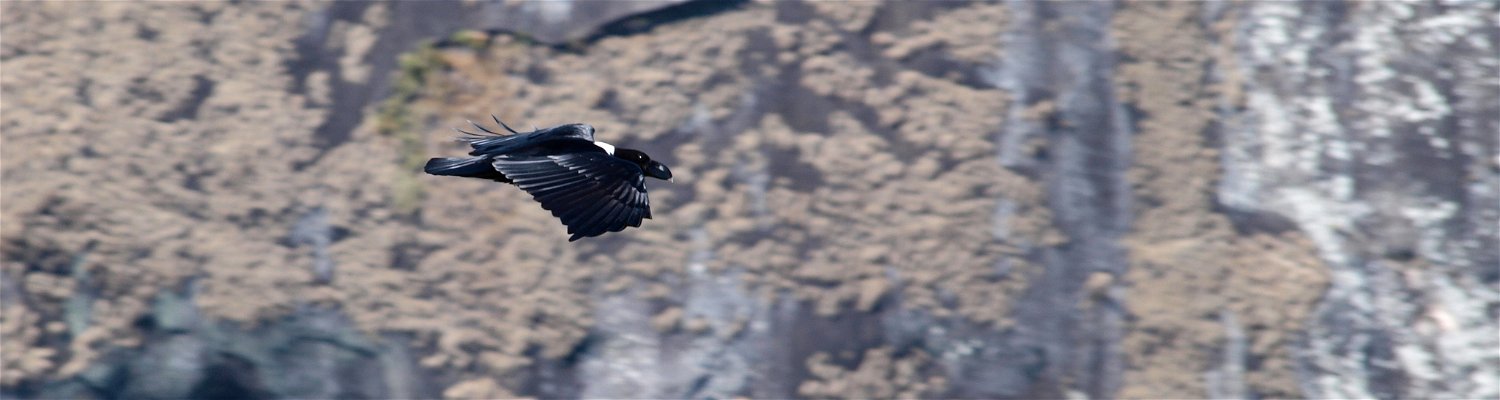
320. Pied Crow, Corvus albus
321. White-necked Raven, Corvus albicollis
322. Red-winged Starling, Onychognathus morio
323. Violet-backed Starling, Cinnyricinculus leucogaster
324. Wattled Starling, Creatophora cinerea
324. Yellow-billed Oxpecker, Buphagus africanus
325. Yellow-throated Petronia, Petronia superciliaris
326. Spectacled Weaver, Ploceus ocularis
327. Large Golden Weaver, Ploceus xanthops
328. Dark-backed (Forest) Weaver, Ploceus bicolor
329. Village Weaver, Ploceus cucullatus
330. Bar-winged Weaver, Ploceus angolensis
331. Red-headed Weaver, Anaplectes melanotis
332. Red-headed Quelea, Quelea erythrops
333. Red-billed Quelea, Quelea quelea
334. Yellow-mantled Whydah/Widowbird, Euplectes macrourus
335. White-winged Whydah/Widowbird, Euplectes albonotatus
336. Red-collared Whydah/Widowbird, Euplectes ardens
337. Marsh Whydah/Widowbird, Euplectes hartlaubi
338. Thick-billed Weaver, Amblyospiza albifrons
339. Orange-winged Pytilia, Ptyilia afra
340. Black-bellied Seed-cracker, Pyrenestes ostrinus
341. Green Twinspot, Mandingoa nitidula
342. Blue-billed Firefinch, Lagonosticta rubricata
343. Black-tailed Grey Waxbill, Estrilda perreini
344. Swee Waxbill, Coccopygia melanotis
345. Fawn-breasted Waxbill, Estrilda paludicola*
346. Common Waxbill, Estrilda astrild
347. Blue Waxbill, Uraeginthus angolensis
348. Orange-breasted (Zebra) Waxbill, Sporaeginthus subflavus
349. Locust Finch, Paludipasser locustella
350. Black-chinned Quailfinch, Ortygospiza gabonensis*
351. Bronze Mannikin, Lonchura cucullata
352. Red-backed Mannikin, Lonchura bicolor
353. Variable/Dusky Indigobird, Vidua funerea
354. Pin-tailed Whydah/Widow, Vidua macroura
355. Broad-tailed Paradise Whydah/Widow, Vidua paradisea
356. Yellow-fronted Canary, Serinus mozambicus
357. Bully/Brimstone Canary, Serinus sulphuratus
358. Black-eared Seed-eater, Crithagra gularis
359. Stripe-breasted Seed-eater, Serinus reichardi
360. Cinnamon-breasted Rock Bunting, Emberiza tahapisa
361. Golden-breasted Bunting, Emberiza flaviventris
362. Cabanis's Bunting, Emberiza cabanisi
Records marked with an asterisk (*) are not typically included on lists in Africa south of the Zambezi.
See Also
Share This Page