
Butterflies of Mutinondo Wilderness
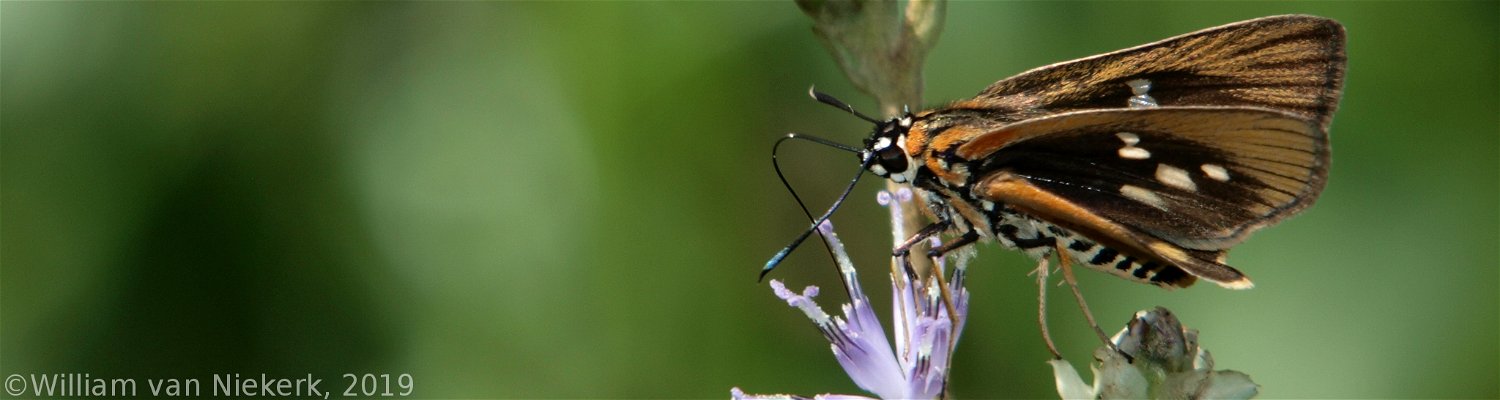
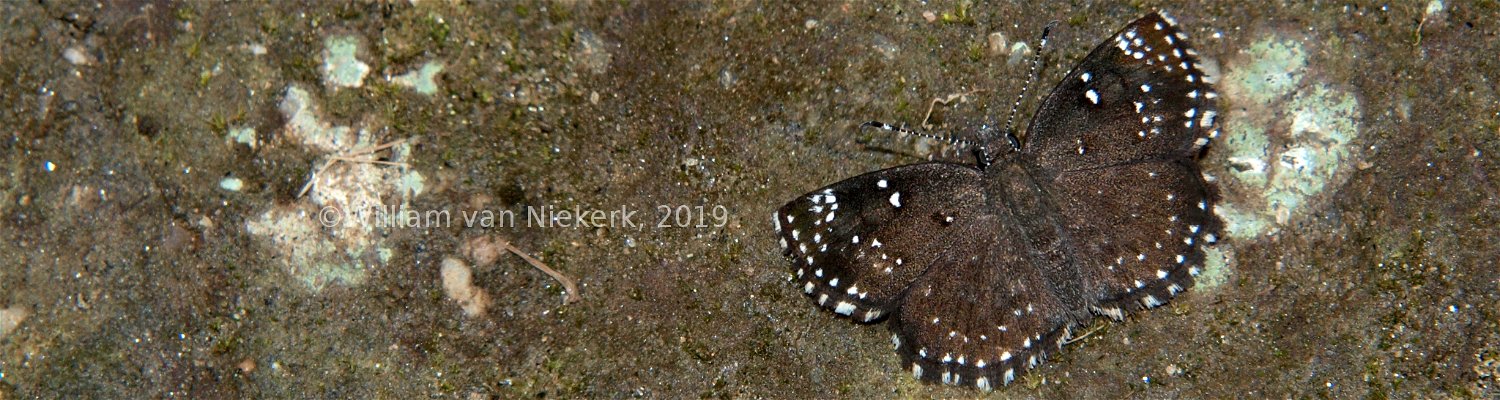
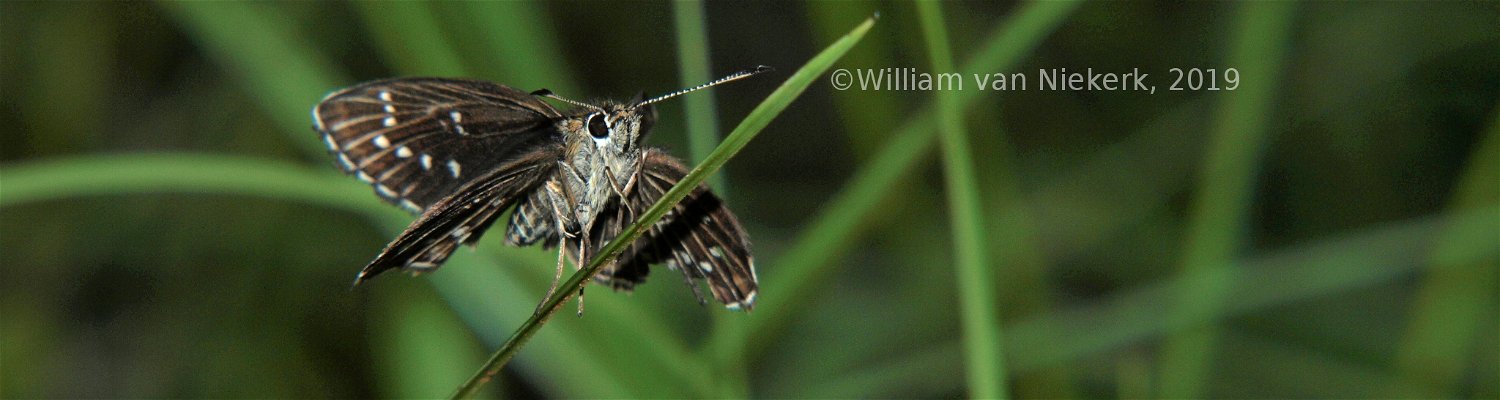
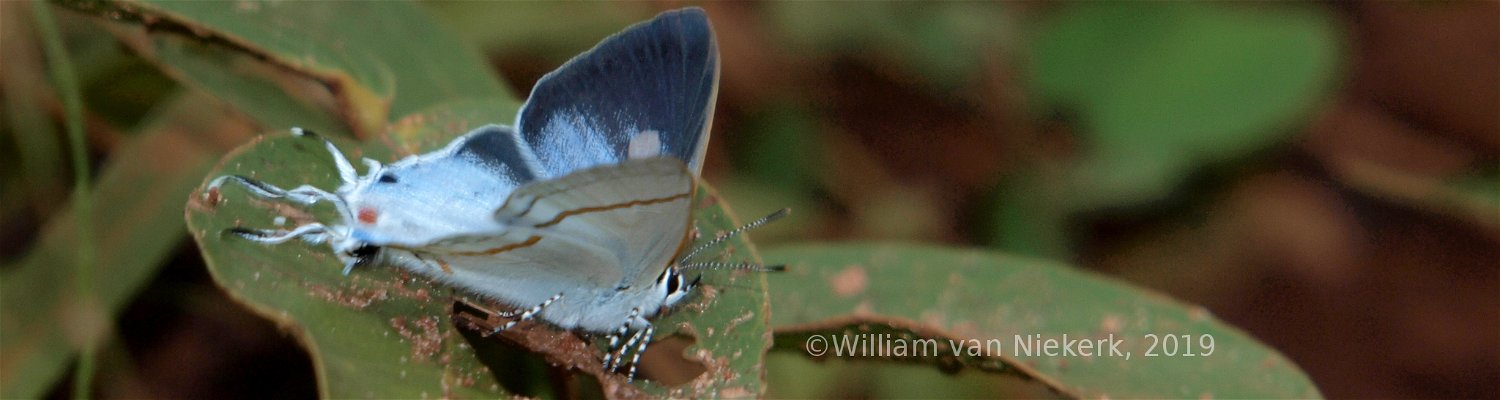
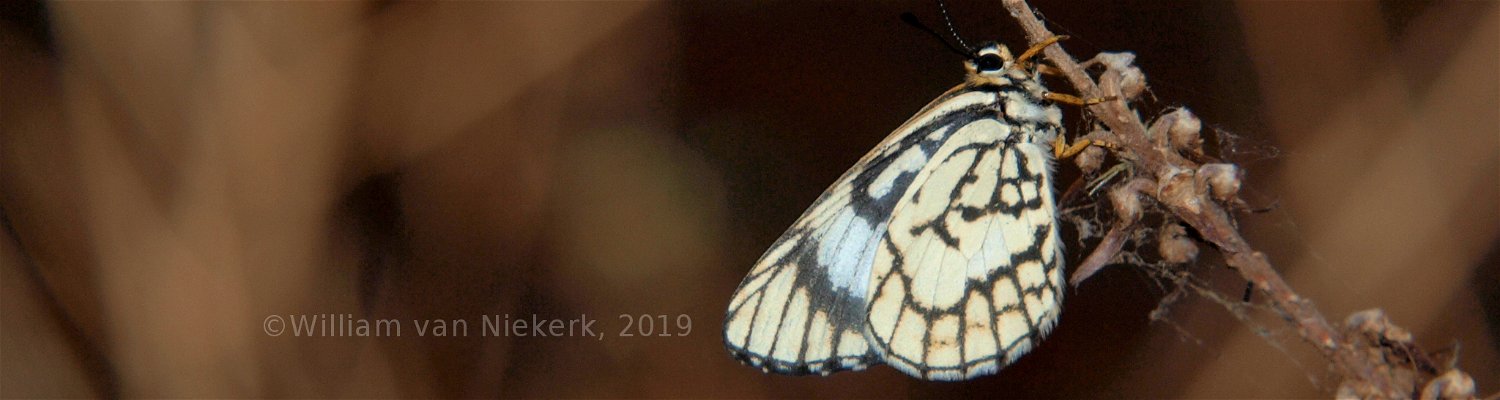
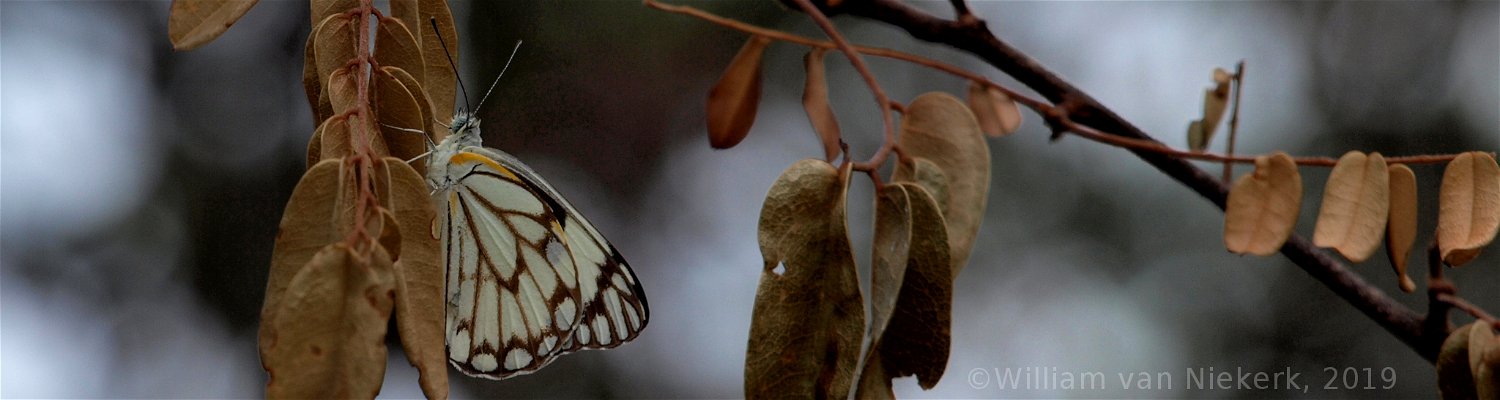
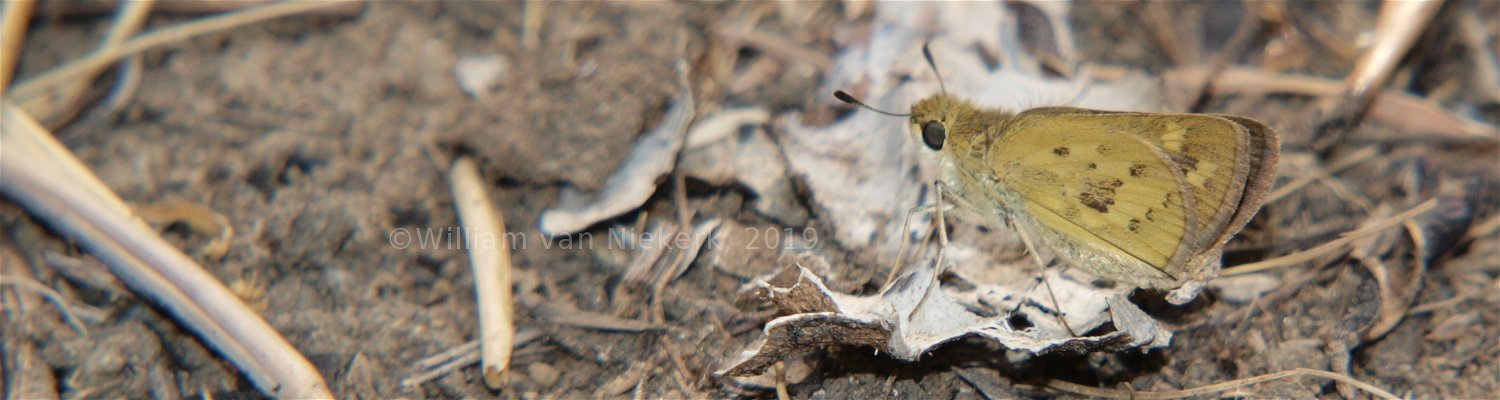
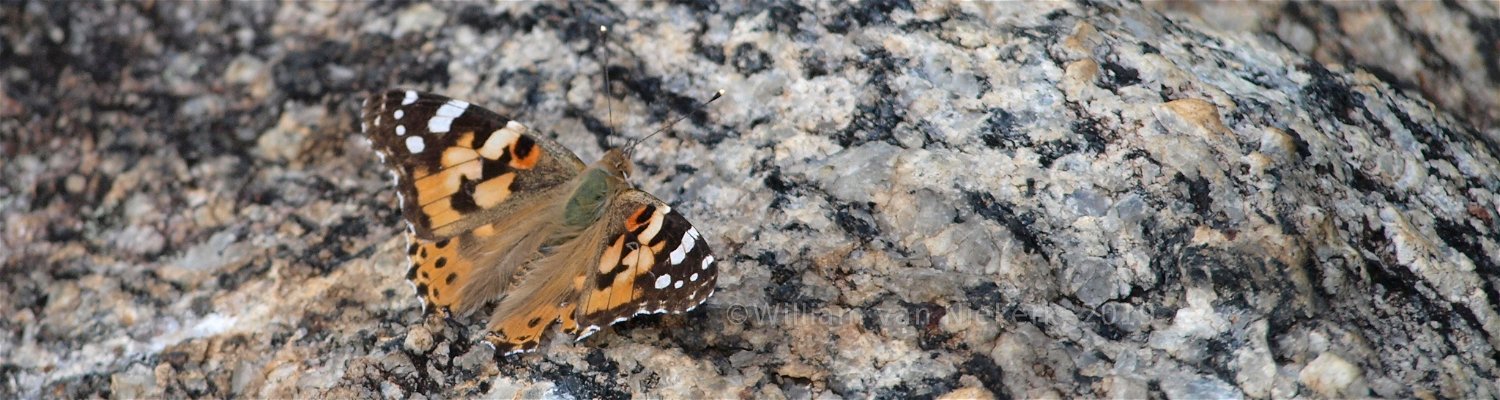
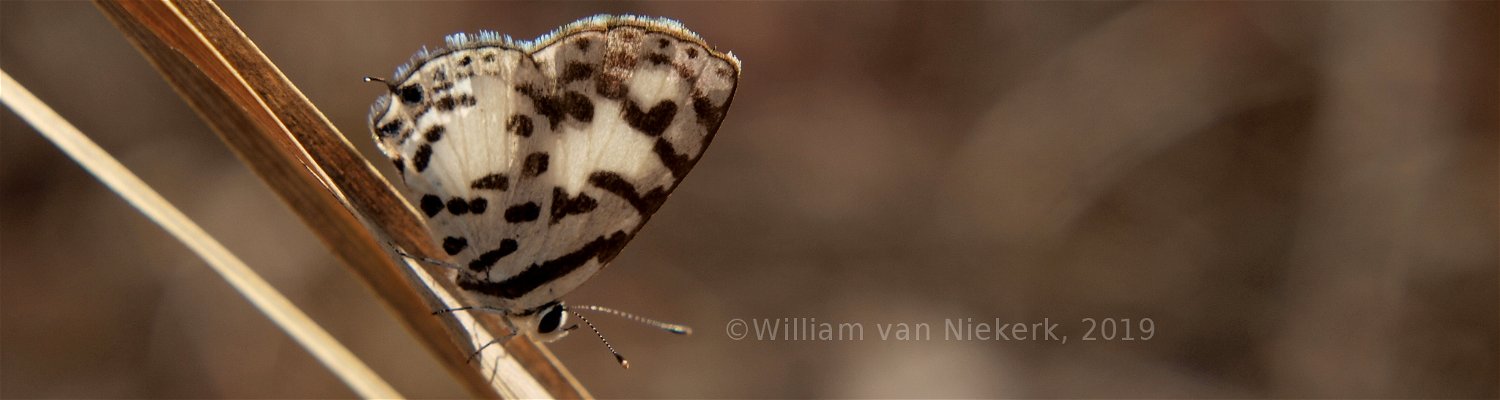
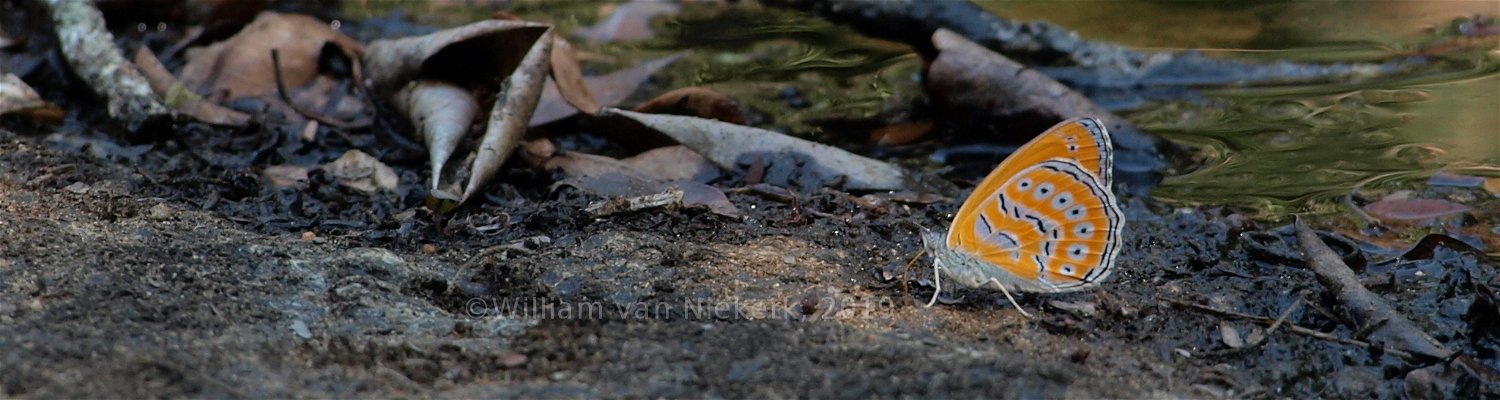
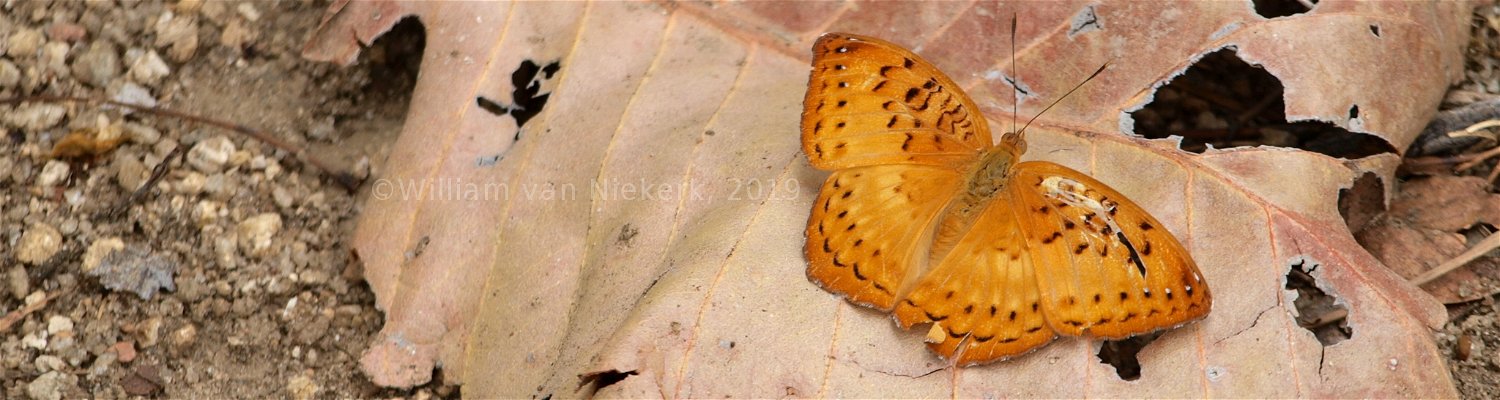
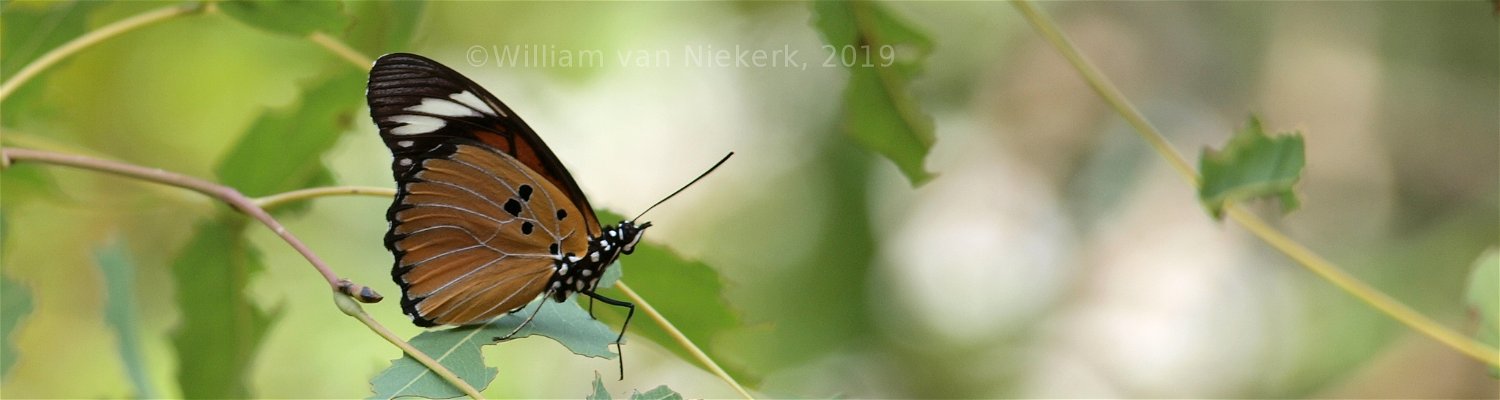
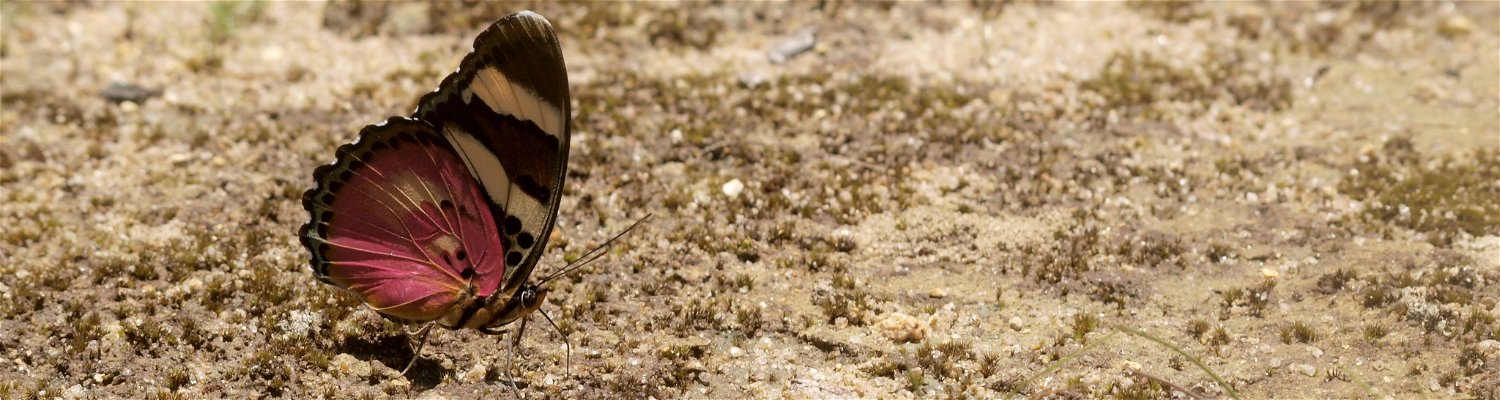
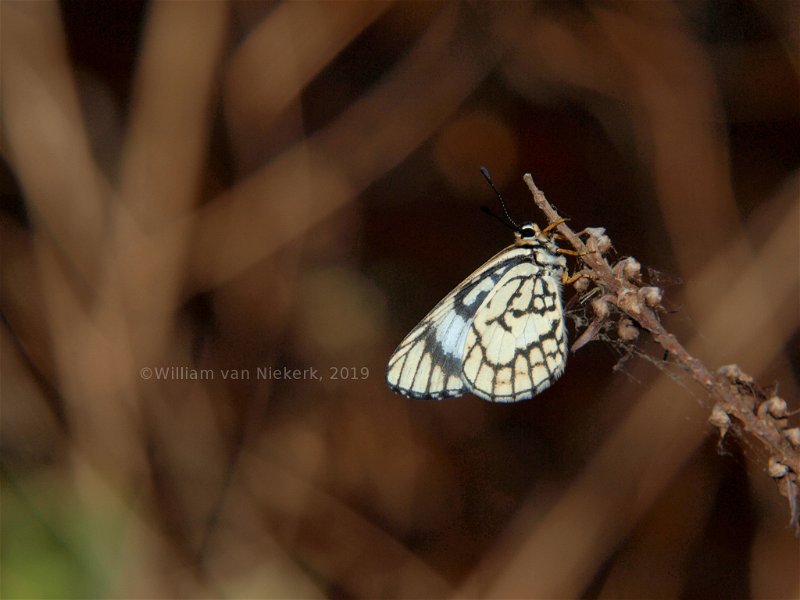
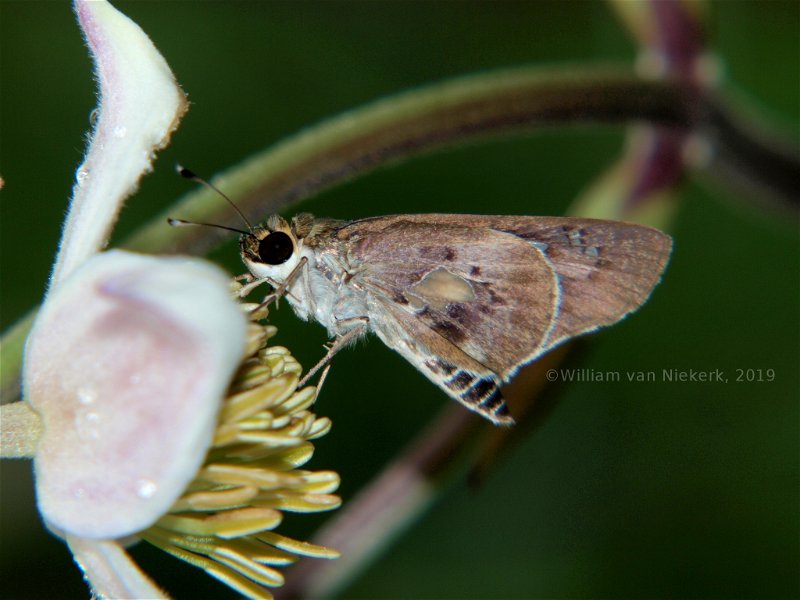
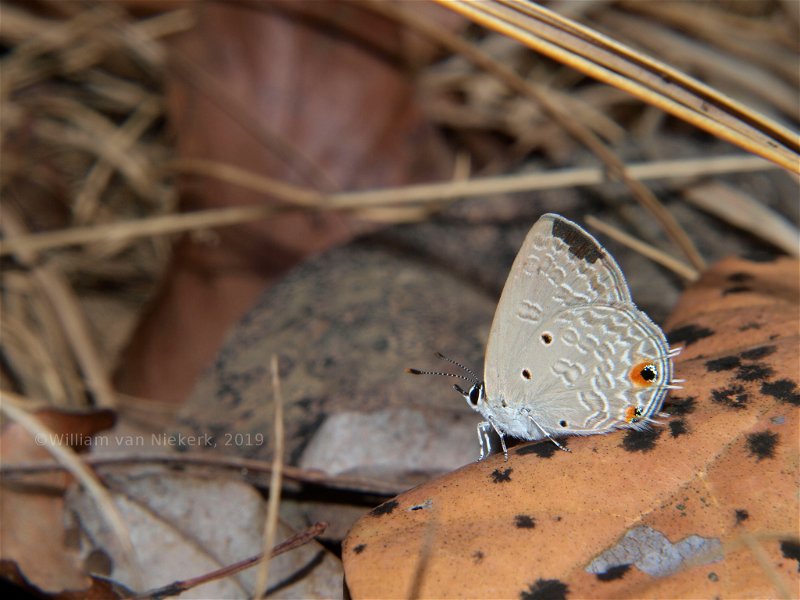
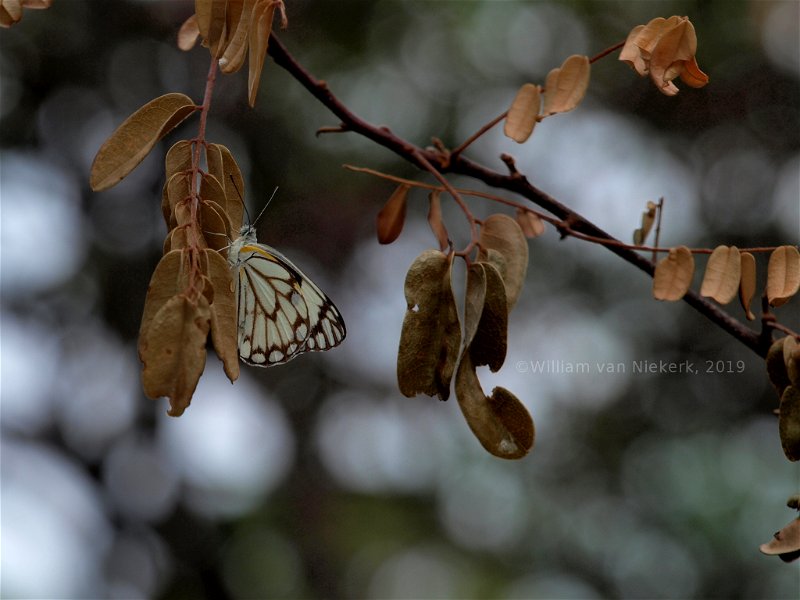
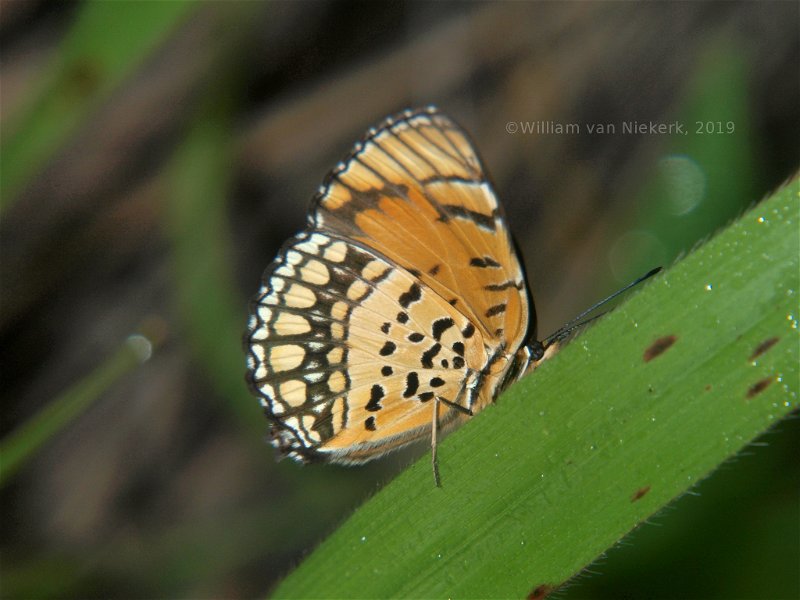
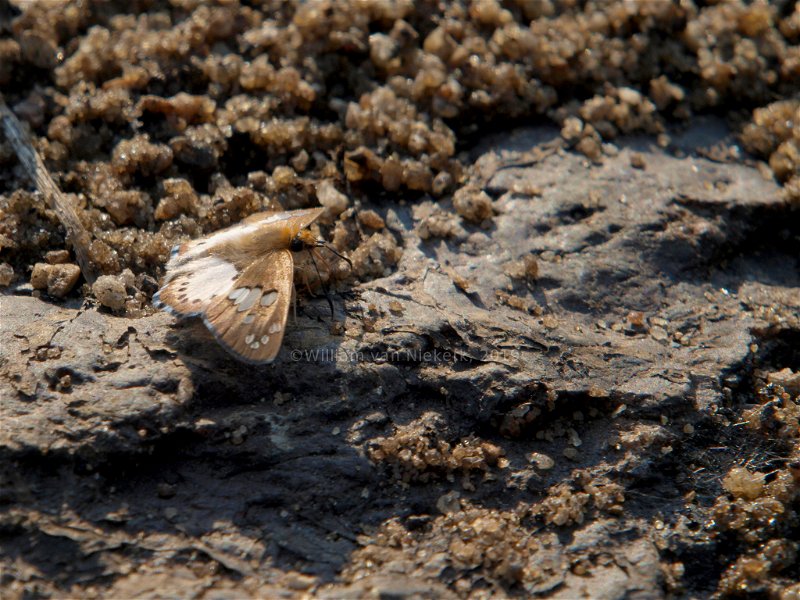
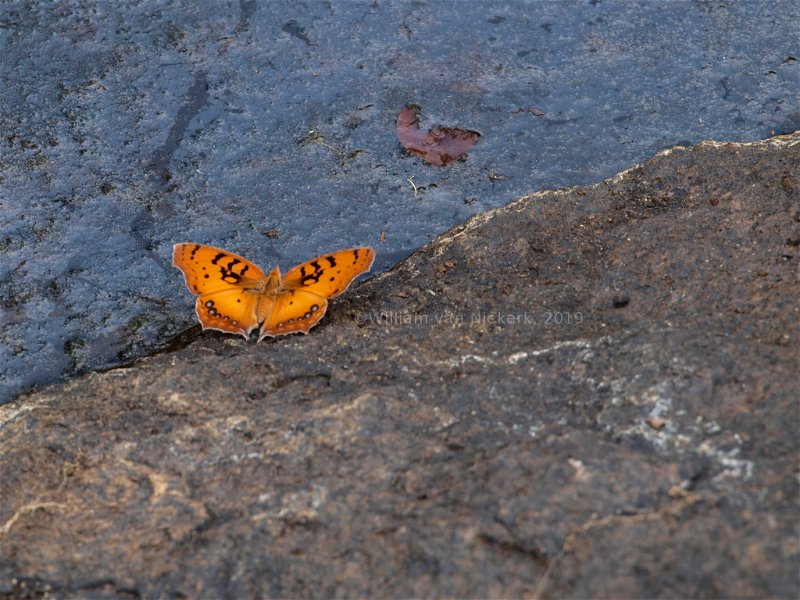
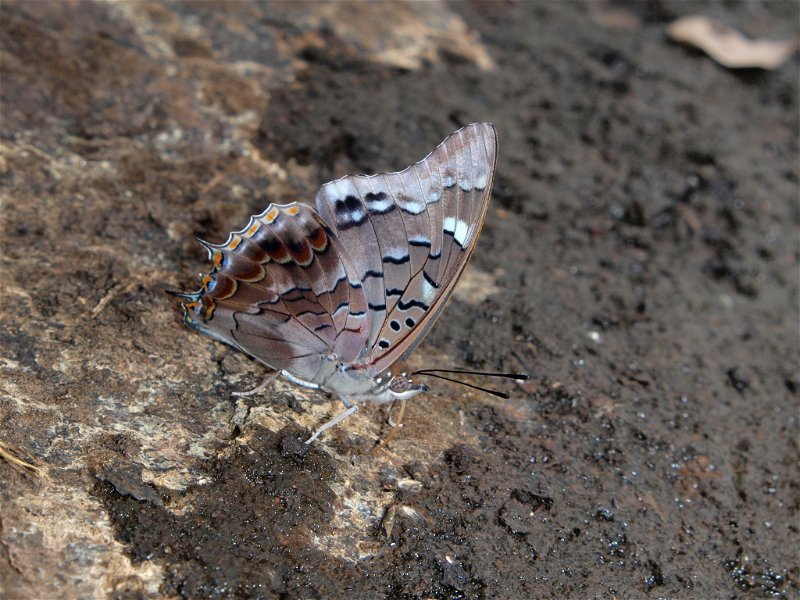
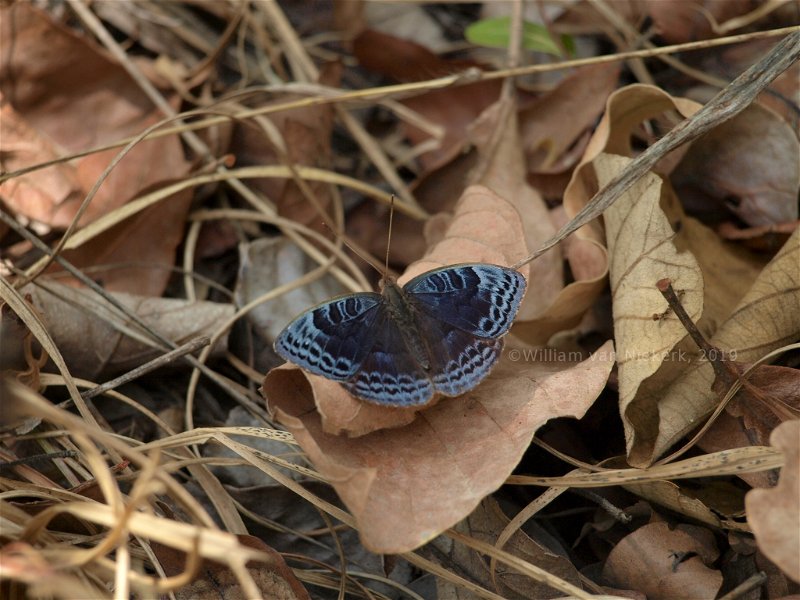
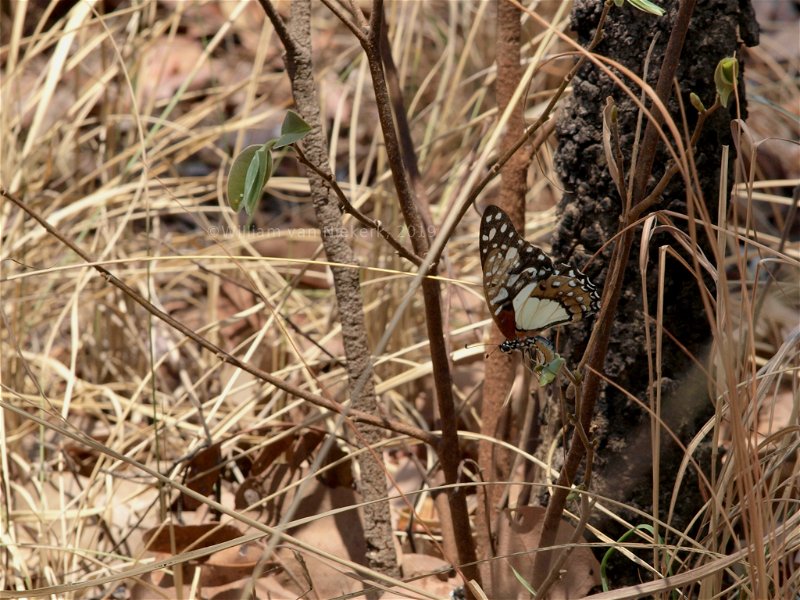
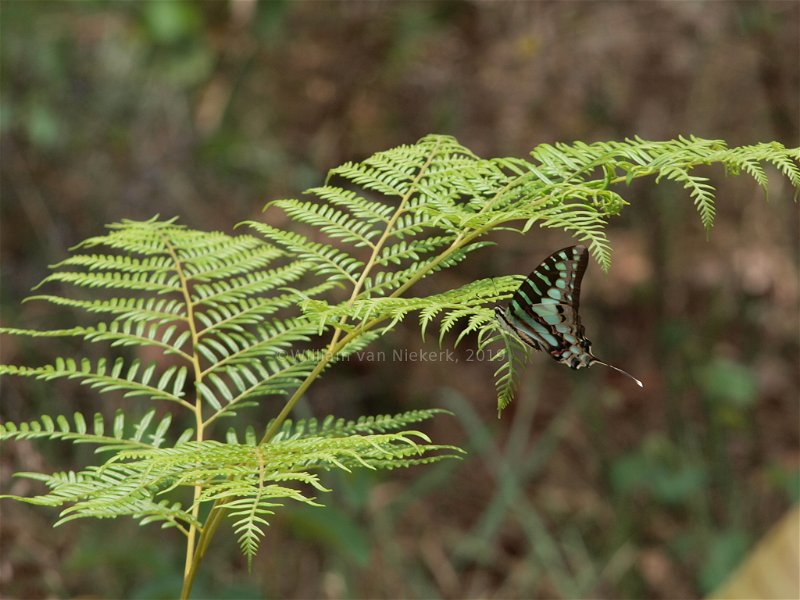
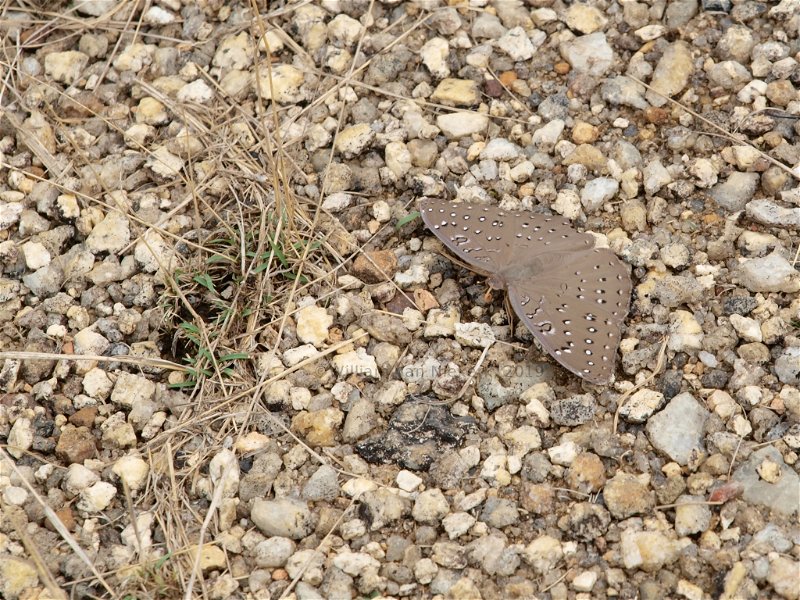
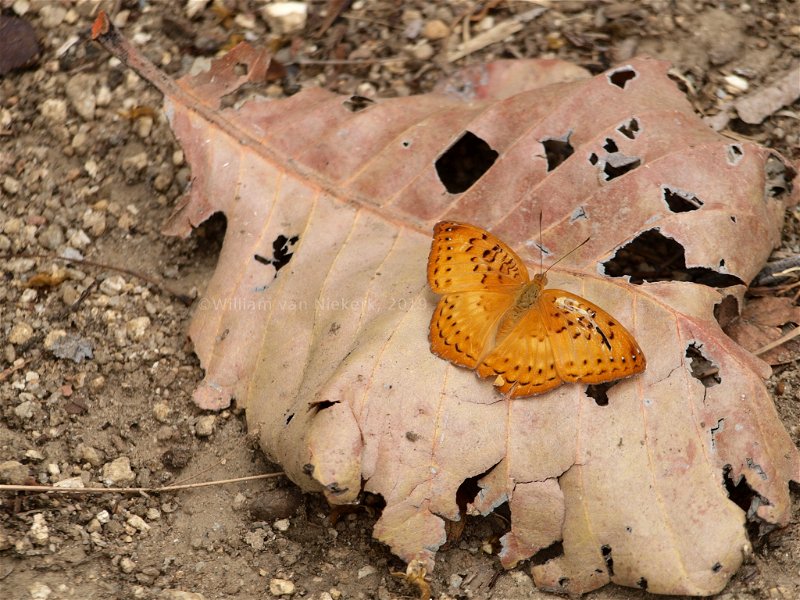
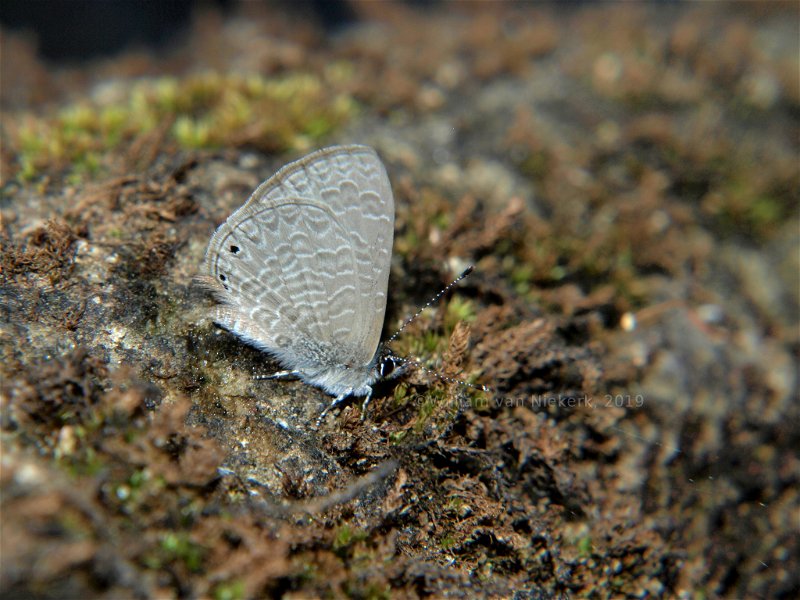
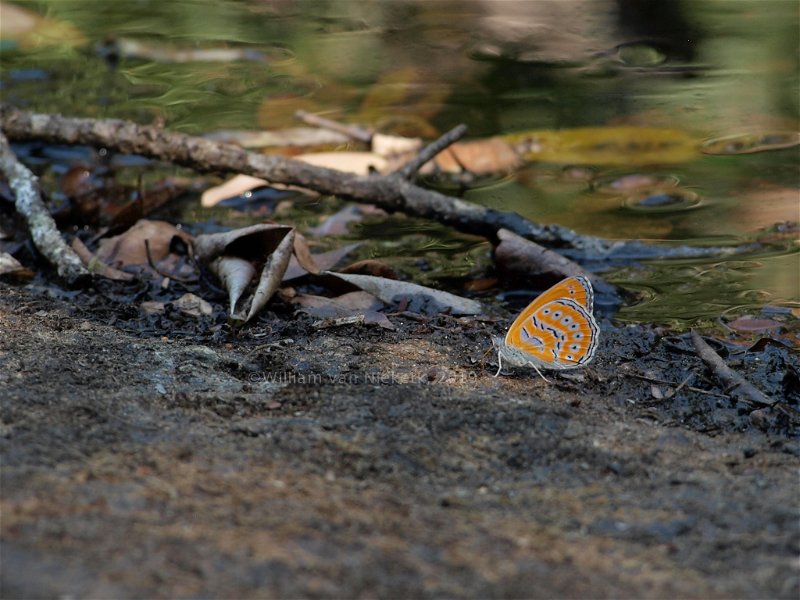
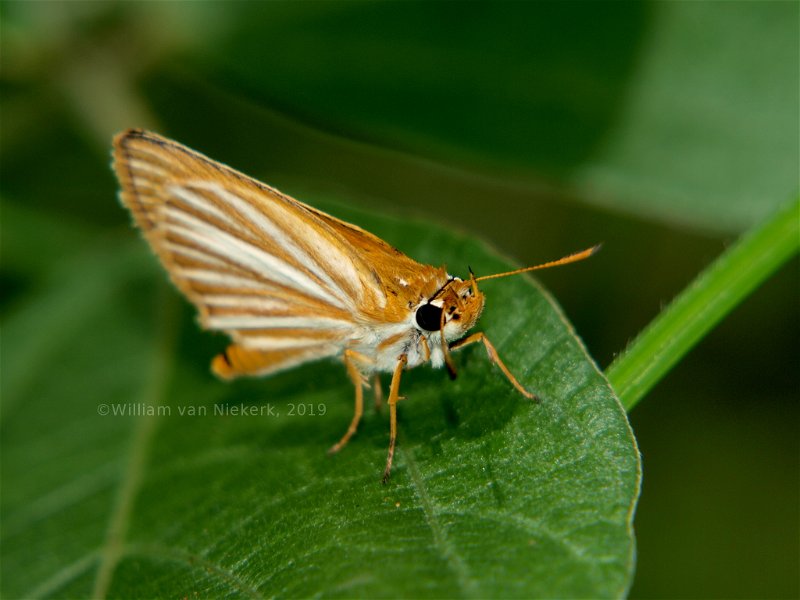
Mutinondo's natural wildlife includes many beautiful butterflies - with at least 205 species present, we have nearly triple the number recorded from the entirety of the U.K. - including one species of Charaxes (Emperor) that has never been recorded anywhere else. Whether or not you are a passionate Lepidopterist, turning an eye to these colourful inhabitants of the wilderness area is sure to enhance any outing.
Mutinondo Wilderness has been extremely fortunate in that accomplished lepidopterists Colin Congdon and Ivan Bampton spent many days dedicated to searching the area for eggs and caterpillars of their endemic Charaxes butterfly. While doing so, they also found other interesting species, and were kind enough to provide the list below:
A PROVISIONAL CHECKLIST OF THE BUTTERFLIES OF MUTINONDO WILDERNESS
COLIN CONGDON, IVAN BAMPTON, Martin Hassani & Peter Walwanda, April 2005.
(Some additions by William van Niekerk, following correspondence with Dr. Congdon, 2019)
Family Hesperiidae
- Coeliades forestan
- Coeliades pisistratus
- Celaenorrhinus galenus
- *Abantis bamptoni
- Abantis paradisea
- Abantis zambesiaca
- Calleagris jamesoni
- Spialia diomus
- Eretis djaelaelae
- Sarangesa astrigera
- Metisella formosus
- Metisella kambove
- Acada biseriata
- Andronymus neander
- Astictopterus punctulata
- Chondrolepis niveicornis
- Fresna nyassae
- Platylesches picanini
- Platylesches moritili
- Teniorhinus harona
- Tsitana wallacei
- Gogyra johnstoni
- Meza larea
- Zenonia zeno
- Pelopidas thrax
- *Kedestes lema
- Kedestes mohozutza
- Kedestes trisignata
- Kedestes wallengrenii
- Afrogegenes hottentotta
- Afrogegenes letterstedti
- Borbo borbonica
Family Papilionidae
- Papilio dardanus
- Papilio demodocus
- Papilio ophidicephalus
- Papilio nireus
- Graphium angolanus
- Graphium leonidas
- Graphium policenes
- Graphium taboranus
Family Pieridae
- *Colias electo spp.
- Catopsilia florella
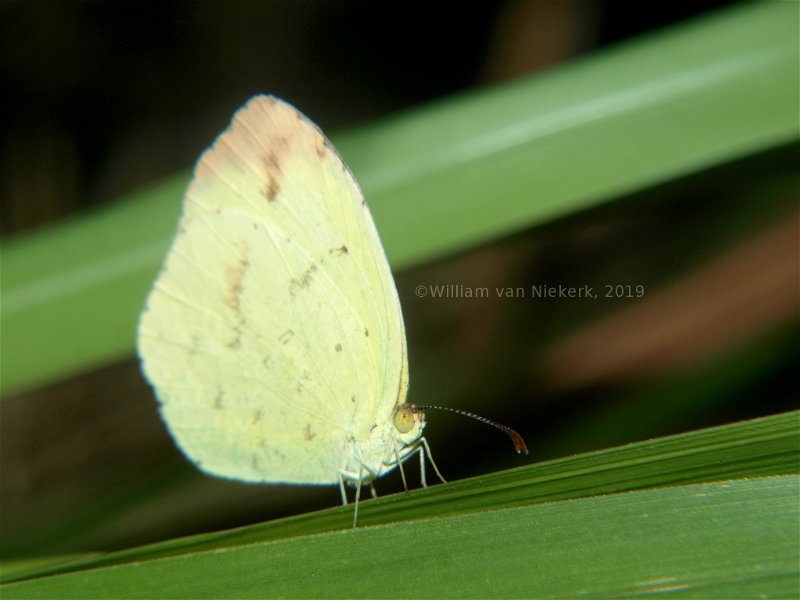
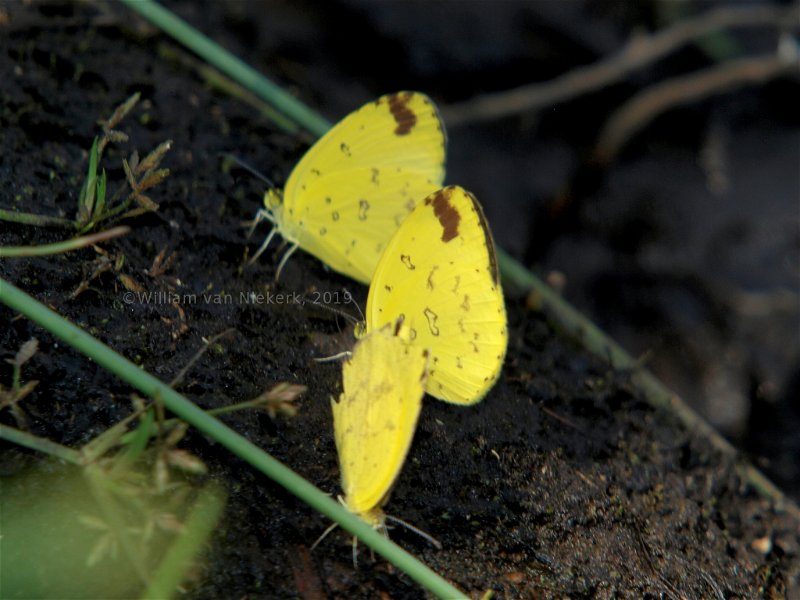
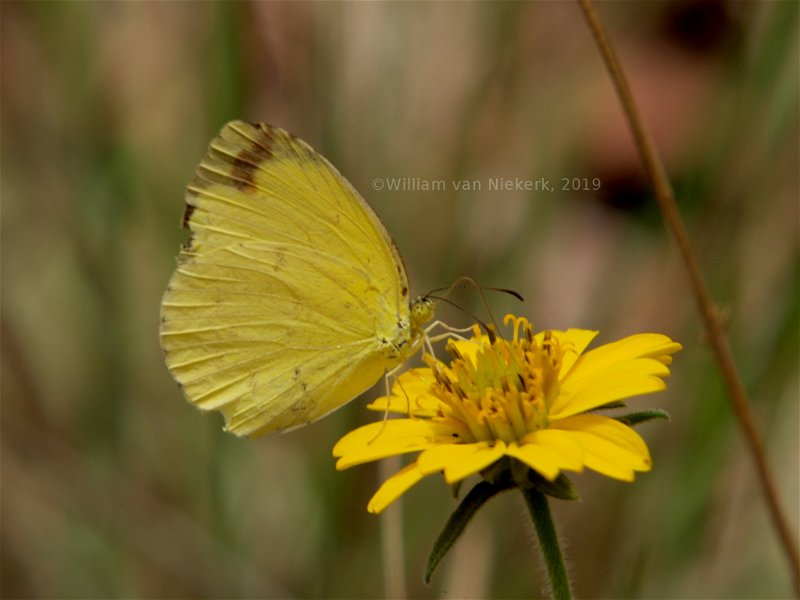
- Eurema brigitta
- Eurema desjardansi
- Eurema hapale
- Eurema hecabe
- Eurema regularis
- Eurema senegalensis
- Belenois aurota
- Belenois creona
- Colotis vesta
- *Mylothris sagala albissima
- Mylothris agathina
- Leptosia alcesta
Family Nymphalidae
Subfamily Heliconiinae
- Acraea anemosa
- Acraea asema
- Acraea chaeribula
- Acraea encedon
- Acraea eponina
- Acraea natalica
- Acraea neobule
- Acraea omrora
- Acraea oncaea
- Acraea periphanes
- *Acraea rhodesiana
- Acraea anacraeon
- Acraea sotikensis
- Acraea ventura
- Pardopsis punctatissima
- Phalanta phalantha
Subfamily Danainae
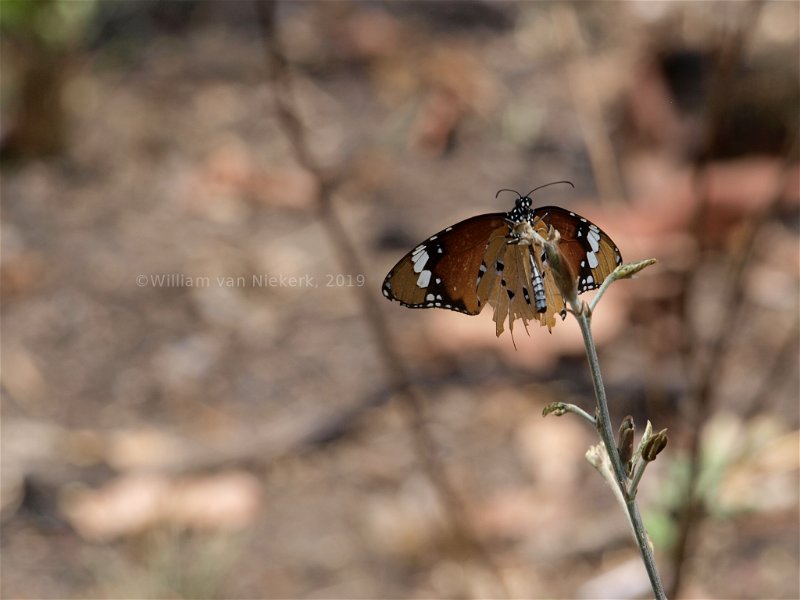
- Danaus chrysippus
- Amauris crawshayi
- Amauris dannfelti restricta
Subfamily Satyrinae
- Melanitis leda
- Bicyclus cooksoni
- Bicyclus cottrelli
- Bicyclus ena
- Bicyclus safitza
- Henotesia simonsi
- Neocoenyra kivuensis
Subfamily Nymphalinae
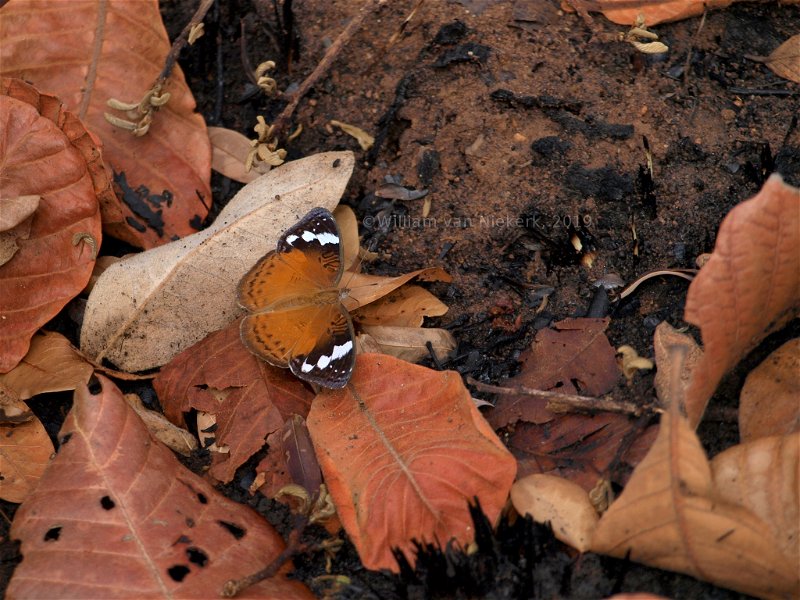
- Hypolimnas anthedon
- Hypolimnas misippus
- Precis actia
- Precis archesia
- Precis ceryne
- Precis cuama
- Junonia antilope
- Junonia hierta
- Junonia natalica
- Junonia octavia
- Junonia oenone
- Junonia orithyia
- Junonia terea
- Catacroptera cloanthe
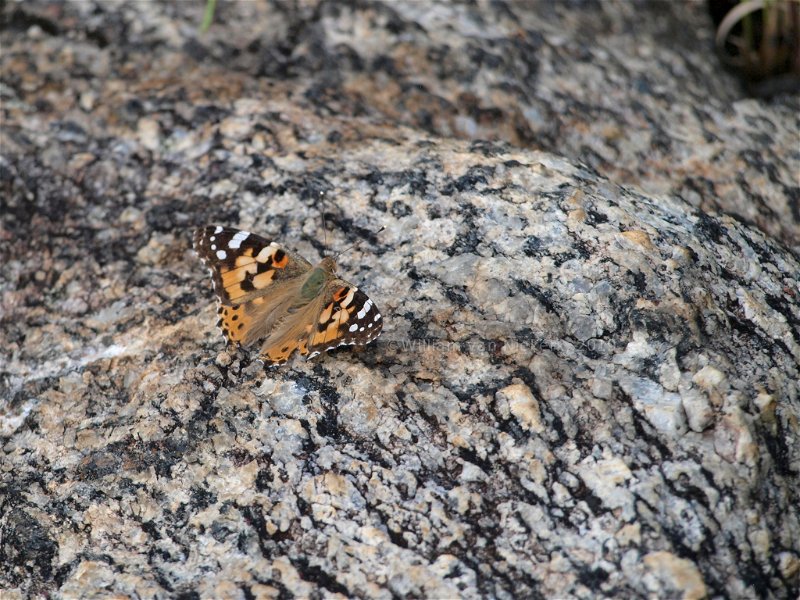
- Vanessa cardui
- Byblia anvatara
- Eurytela dryope
- Sevenia (= Sallya) rosa
- Sevenia garega
- Neptis alta
- Neptis jordani
- Neptis kiriakoffi
- Neptis laeta
- Neptis saclava
- Neptis serena
- Pseudacraea boisduvali
- Pseudacraea poggei
- Euriphene iris
- Crenidomimas concordia
- Hamanumida daedalus
- Pseudargynnis hegemone
- Euphaedra zaddachi subsp. crawshayi
- Charaxes achaemenes
- Charaxes bohemani
- Charaxes brutus
- Charaxes candiope
- Charaxes castor
- Charaxes druceanus
- *Charaxes mutinondo
- Charaxes guderiana
- Charaxes howarthi
- Charaxes jasius
- Charaxes nichetes
- Charaxes pollux
- Charaxes protoclea
- Charaxes varanes
Subfamily Libytheinae
- Libythea labdaca
Family Lycaenidae
- Alaena nyassa
- Alaena reticulata
- Alaena unimaculosa
- Pentila pauli
- Cooksonia neavei
- Mimacraea marshalli
- Baliochila hildegarda
- Cigaritis (= Spindasis) homeyeri
- Cigaritis mozambica
- Cigaritis natalensis
- Cigaritis phanes
- Cigaritis trimeni
- Chloroselas pseudozeritis
- *Zeritis sorhagenii
- Axiocerses amanga
- Axiocerses tjoane
- Epamera australis
- Epamera bakeri
- Epamera nasisii
- Epamera sidus
- Epamera violacea
- Aphniolaus pallene
- Iolaphilus trimeni
- Argiolaus ndolae
- Argiolaus pamae
- Argiolaus silarus
- Stugeta bowkeri
- Hypolycaena buxtoni
- Hypolycaena philippus
- Hypolycaena liara
- Hemiolaus caeculus
- Virachola antalus
- Virachola diocles
- Virachola caliginosa
- *Pilodeudorix bemba
- Pilodeudorix zela
- Pilodeudorix kafuensis
- Capys connexivus
- Anthene contrastata
- Anthene definita
- Anthene lunulata
- Anthena mpanda
- Anthene nigropunctata
- Anthene princeps
- Triclema lydia
- Cupidesthes irumu
- Cupidopsis cissus
- Cupidopsis jobates
- Pseudonacaduba sichela
- Lampides boeticus
- Uranothauma poggei
- Cacyreus lingeus
- Cacyreus virilis
- Leptotes pirithous
- Tuxentius calice
- Zizeeria knysna
- Actizera lucida
- Azanus jesous
- Azanus mirza
- Azanus moriqua
- Azanus natalensis
- Eicochrysops eicotrochilus
- Eicochrysops hippocrates
- *Eicochrysops pinheyi
- Euchrysops malathana
- Lepidochrysops anerius
- Lepidochrysops cf ansorgei
- Lepidochrysops chloauges
- Lepidochrysops dollmani
- Lepidochrysops intermedia
- Lepidochrysops peculiaris
- Lepidochrysops skotios
- Lepidochrysops solwezii
- Lepidochrysops sp. nr cinerea
Family Riodinidae
- *Abisara rogersi
*Abantis bamptoni. Widespread but little known. It is easier to find the caterpillars (on Uapaca) than the adults.
*Kedestes lema. Another little known skipper. Subspecies linka was previously known only from the Makutu Mountains, while subspecies lema is known from Lusaka and the type locality in southern DRC. Habitat woodland. Flies in February.
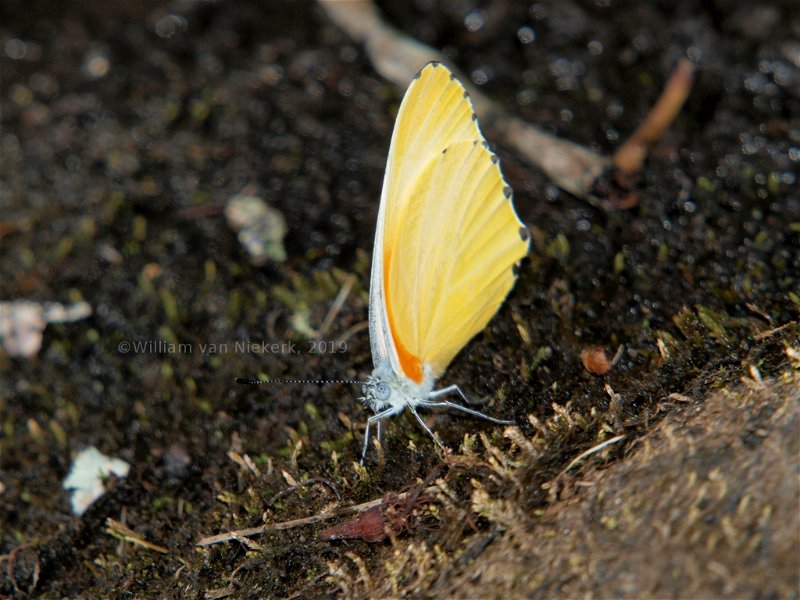
* The Mutinondo subspecies of Coleus electo is unusually large, and the females are of an unusual shade of yellow.
*Mylothris sagala albissima. Known from Mpika (type locality), Bwingi Mfumu, Shiwa Ng'andu and Mbala. Present in the mshitu, February.
*Acraea rhodesiana. Described as widespread in Zambia but uncommon. Flies round the edges of exposed rocks where its foodplant, Basananthe reticulata grows. This foodplant shared with Acraea omrora. Both species fly during the rains.
*Amauris crawshayi is uncommon, and Mutinondo specimens have the two forewing subapical hyaline spots larger than usual and of unusual shape.
*Charaxes mutinondo. Known from Mutinondo Wilderness and Kundalila Falls only. Was thought to be a race of Ch. gallagheri, but now that males have been taken it is seen to be nearer to Ch. martini from Mlanje in southern Malawi. Larval foodplant Diospyros natalensis.
*Zeritis sorhagenii. Very local. Open woodland. One specimen from across the Mushumfusi in November.
*Pilodeudorix bemba. The only confirmed record from Zambia. D'Abrera, working from the British Musem, had not seen any specimens. He commented that it was reputed to come from Brachystegia woodland in Shaba Province of Zaire, Zambia, and southern Tanzania. Berger (Les Papillions du Zaire) thought the type might be the then unknown female of Hypokopelates kafuensis, a view shared by Kielland (Butterflies of Tanzania). The authors of Butterflies of Zambia also doubted the existence of the species. There are, however, two males in addition to the type female, known to ABRI, Nairobi. They resemble P. kholi, but with a black forewing apex. We now have two more males, from the mshitu, in February.
*Eicochrysops pinheyi. North western Zambia (Mwinilunga), and a male from Kundalila Falls. Now a couple more males from Little Chipundu, along the outlet stream. Heath considers this species may be a form of eicotrochilus, but we think not. Pinheyi is very much an insect of seepage areas (dambos), whereas eicotrochilus is more at home on dry land (cf Kielland 1990). Also pinheyi is constant in appearance, unlike form E. messapus ssp. mahallakoena, quoted by Heath. If pinheyi were a form of eicotrochilus it seems strange that it has not been found in the Copperbelt.
*Lepidochrysops spp. One or possibly two undescribed species. Skotios is also rarely seen. The whole area is rich in Lepidochrysops, and more species are likely to be found. Eggs laid on Ocimum - more familiar as Becium (Lamiaceae), and local species of Lantana (Verbenaceae). Young larvae taken by ants into their nests where they feed on ant brood.
*Abisara rogersi. Known from forests across the north of Zambia, and two males from along the Mushumfusi in early May. Foodplant almost certainly Maesa lanceolata.
See Also
Smaller Wildlife of Mutinondo including Grasshoppers and Dragonflies
Share This Page